An Introduction to Mini Split AC Systems
When it comes to achieving perfect indoor climate control, many homeowners are discovering the benefits of mini split ac systems. These units not only provide the cooling and heating we all want but also offer versatility and efficiency that traditional systems struggle to match. In this comprehensive guide, we will delve into what mini split AC systems are, their benefits, their operational mechanisms, and much more to ensure you have a holistic understanding of this innovative technology.
What is a Mini Split AC?
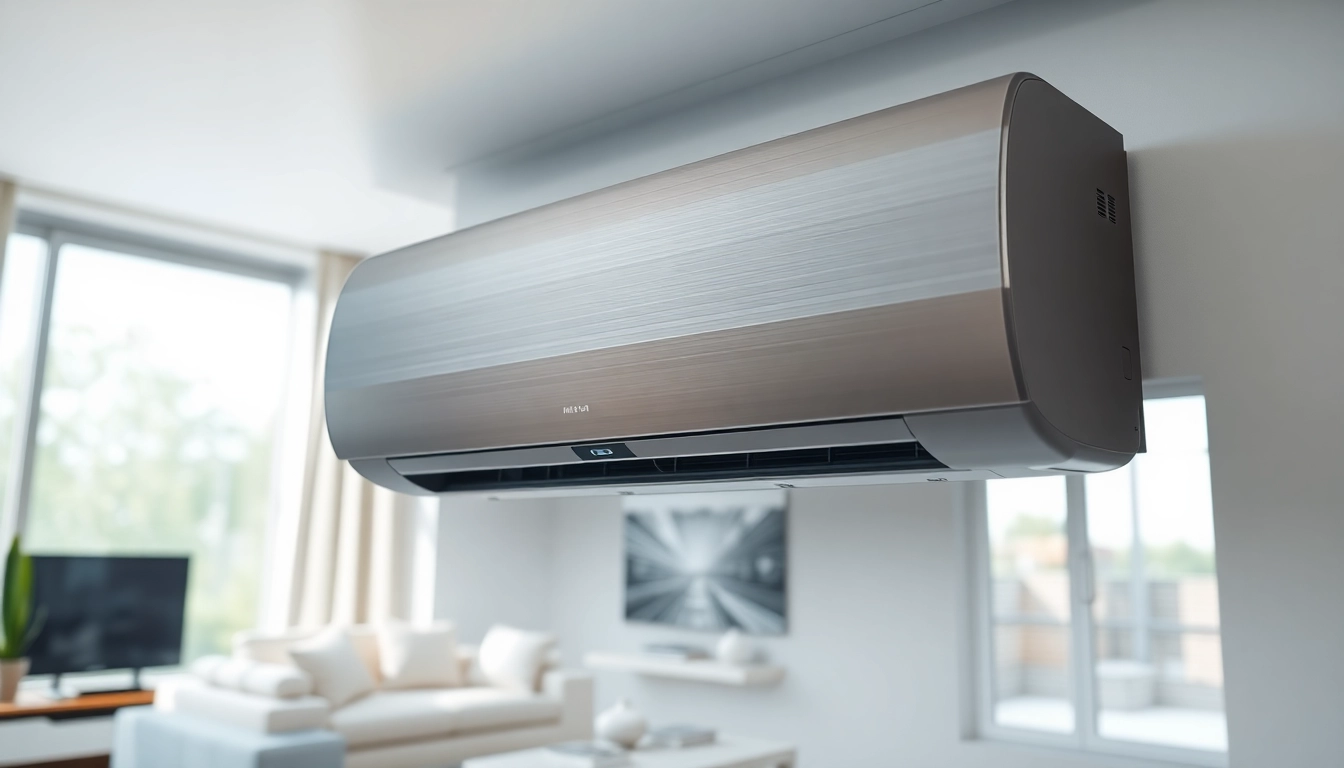
A mini split AC system, also known as a ductless mini-split system, is a type of air conditioning unit that provides zoned heating and cooling without the need for ductwork. These systems consist of two main components: an indoor unit that distributes the air into a room and an outdoor unit that dissipates heat. This separation allows for more efficient cooling and heating operations.
Benefits of Mini Split AC Systems
One of the standout features of mini split AC systems is their energy efficiency. They can drastically reduce electricity bills compared to central air conditioning systems due to their ability to cool or heat specific zones at a time. Other benefits include:
- Flexible Installation: The absence of ducts provides more options for placement, allowing units to be installed in various locations to suit your specific needs.
- Quiet Operation: The indoor units operate quietly, making them ideal for bedrooms or workspaces where noise is a concern.
- Improved Air Quality: Mini split systems often come with advanced filtration options, improving indoor air quality by removing dust, allergens, and other particulates.
How Mini Split AC Works
Understanding the operation of a mini split AC system can help homeowners appreciate its efficiency and functionality. The system utilizes advanced technology to transfer heat, thereby cooling indoor spaces. Key components include:
- Refrigerant: A chemical compound that absorbs heat from the indoor air and releases it outside, cooling down the indoor environment.
- Compressor: Located in the outdoor unit, it circulates the refrigerant between the indoor and outdoor units, facilitating heat exchange.
- Condenser and Evaporator Coils: These coils facilitate heat transfer, with the evaporator coil absorbing heat inside and the condenser coil releasing it outside.
Types of Mini Split AC
Single-Zone vs. Multi-Zone Mini Split
Mini split AC systems generally come in two configurations: single-zone and multi-zone. Single-zone systems are ideal for cooling or heating a single room, while multi-zone systems can manage multiple indoor units connected to one outdoor unit, perfect for larger spaces or homes with varied temperature preferences.
Wall-Mounted vs. Ceiling-Mounted Units
Mini split systems also vary in terms of mounting options. Wall-mounted units are the most common, as they are easy to install and unobtrusive. Ceiling-mounted units can provide added coverage for larger spaces, allowing for effective air distribution without occupying wall space.
Different Brands and Features
The market is filled with various brands, each offering unique features such as multi-speed fans, programmable thermostats, and smart home integration. When choosing a mini split AC, researching various brands and their specific functionalities can help you find a unit that best fits your needs.
Choosing the Right Mini Split AC for Your Needs
Calculating BTU Requirements
Choosing the correct mini split AC primarily involves understanding the BTU (British Thermal Units) requirements for the space you want to cool or heat. Factors affecting these requirements include the size of the room, ceiling height, the number of windows, and insulation quality. A professional HVAC technician can help calculate your specific needs accurately.
Energy Efficiency Ratings to Consider
In addition to BTUs, the energy efficiency of a mini split AC is crucial. Look for models with a high SEER (Seasonal Energy Efficiency Ratio) rating, which indicates greater efficiency and can lead to long-term savings on energy costs.
Cost Considerations and Budgeting
Budgeting for a mini split AC involves not only the initial purchase cost but also the installation and operating costs. While the upfront cost may be higher than that of traditional systems, the long-term savings in energy efficiency and maintenance may justify the expense. It’s wise to get quotes from several contractors before making a purchase.
Installation and Maintenance of Mini Split AC
Installation Steps to Follow
Installing a mini split AC requires careful planning. Key steps in the installation process include:
- Determine placement for both the indoor and outdoor units to maximize efficiency.
- Install wall brackets for the indoor unit and the outdoor unit’s pad.
- Connect the refrigerant lines and electrical wires while maintaining proper insulation.
- Test the system to ensure it operates correctly before sealing everything.
Professional installation is often recommended to ensure these steps are completed safely and correctly.
Regular Maintenance Tips
Regular maintenance is vital for ensuring the longevity and efficiency of your mini split AC system. Recommended maintenance practices include:
- Cleaning or replacing filters every 3-6 months to maintain airflow and efficiency.
- Inspecting the outdoor unit for debris and cleaning the area around it.
- Scheduling annual professional maintenance checks to identify and resolve potential issues.
Common Issues and Troubleshooting
Understanding common issues can help you troubleshoot effectively. Some frequent problems include:
- Weak Airflow: Check for dirty filters or closed vents.
- Refrigerant Leaks: A professional should handle this issue; never attempt to fix it yourself.
- System Not Cooling: Confirm that the unit is functioning properly and inspect settings on the thermostat.
FAQs about Mini Split AC Systems
What size mini split AC do I need?
The size depends on factors like room size, ceiling height, and insulation. A professional calculation based on BTU needs is recommended.
Can I install a mini split AC myself?
While DIY installation is possible, it’s complicated and requires technical knowledge. Hiring a professional is advised for optimal performance and warranty compliance.
How often should I service my mini split AC?
Regular servicing should occur at least once a year. However, filter changes can be done every 3-6 months, depending on usage.
Are mini split ACs noisy?
Mini split ACs are generally much quieter than traditional systems. Indoor units typically operate at 19-24 decibels, akin to a whisper.
How energy-efficient are mini split AC systems?
Mini split AC systems are highly energy-efficient, often achieving SEER ratings of 20 or higher, translating to significant energy savings over time.