Understanding Full Mattress Sizes and Dimensions
What is a Full Mattress?
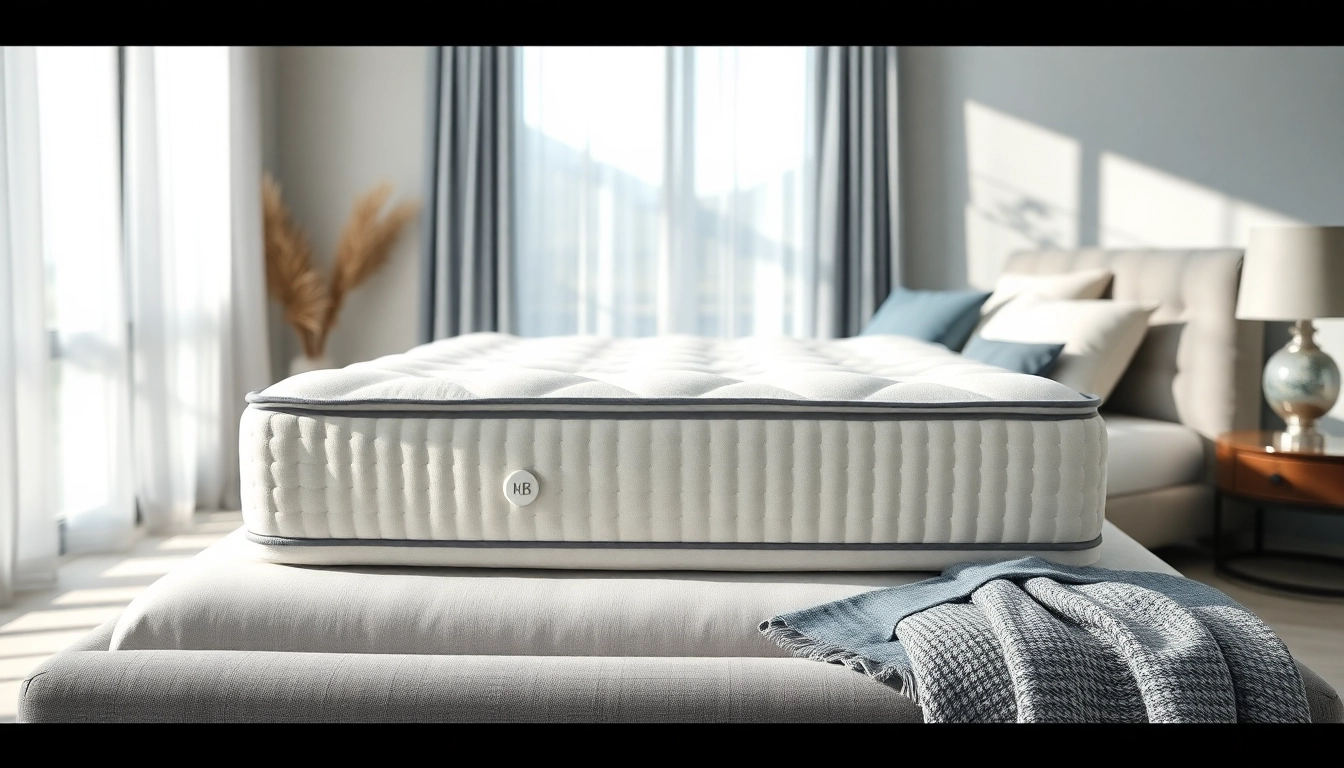
A full mattress, also commonly known as a double mattress, is a popular bed size ideal for individual sleepers or couples who don’t require excess space. Typically, a full mattress provides a comfortable sleeping surface that allows for movement without taking up a significant amount of room in smaller bedrooms. It measures approximately 54 inches wide by 75 inches long, making it a versatile choice for various living situations, from guest rooms to studio apartments. For more information about different types, check out this full mattress.
Dimensions: Standard Sizes Explained
The dimensions of a full mattress are standardized, sitting between a twin and a queen size. This means it's wider than a twin mattress, which typically measures 38 inches by 75 inches, but shorter than a queen, measuring 60 inches by 80 inches. With the extra width, a full mattress is suitable for combination sleepers or individuals who enjoy some extra space while sleeping. Understanding these dimensions is crucial for selecting the right bed frame, sheets, and bedding that fit perfectly.
Comparing Full Mattress with Other Sizes
When selecting a full mattress, it's important to compare it with other sizes to understand its unique advantages and limitations. A twin size mattress is a great option for children's rooms or smaller spaces, while a queen size mattress offers additional room for couples. For individuals who thrive on space and comfort, transitioning to a queen may be worthwhile if your bedroom size permits. However, for single sleepers or couples who don't require a lot of space, a full mattress may be the ideal choice.
Key Features to Consider in a Full Mattress
Understanding Mattress Types: Foam, Innerspring, and Hybrid
Choosing the right type of mattress is essential for achieving blissful rest. There are three primary mattress types: foam, innerspring, and hybrid. A foam mattress conforms to your body's shape, providing pressure relief and support, which is excellent for side sleepers. An innerspring mattress, made primarily with coil springs, offers bounce and is usually preferred by those who enjoy some motion. Meanwhile, hybrid mattresses combine the benefits of both, ensuring comfort and support across various sleeping positions.
Importance of Firmness and Comfort Levels
The firmness level of a mattress significantly impacts your comfort and sleep quality. Firmness is generally rated on a scale from 1 to 10, with 10 being the firmest. The best firmness for you depends on your sleeping position and personal preference. For example, side sleepers often benefit from a softer mattress (3-5), which helps alleviate pressure on the shoulders and hips. Back sleepers may find moderate firmness (5-7) offers the right balance of support and comfort, while stomach sleepers often require a firmer option (7-9) to maintain spinal alignment.
Evaluating Thickness and Support Layers
The thickness of a mattress can impact both comfort and support. A full mattress typically ranges between 8 to 12 inches thick. Thicker mattresses often contain multiple support layers, including memory foam, latex, or gel-infused materials, which enhance comfort and reduce motion transfer. Consider your weight and personal preferences when evaluating thickness; heavier individuals may find a thicker mattress (12 inches or more) offers better support and durability.
Finding the Right Full Mattress for Your Sleeping Style
Side Sleepers: Need for Pressure Relief
Side sleepers require a mattress that provides adequate pressure relief and conforming support. The ideal full mattress should feature softer top layers that cradle the shoulders and hips while maintaining support for the spine. Look for mattresses that incorporate advanced foam technology or memory foam, as they offer a contouring effect, helping prevent pressure points from forming during the night.
Back Sleepers: Importance of Spinal Alignment
For back sleepers, maintaining spinal alignment is crucial to prevent discomfort. A medium-firm full mattress often works best, supporting the natural curve of your spine without allowing excessive sinking. Look for mattresses with a combination of both foam and innerspring support to ensure that your spine remains straight throughout the night.
Stomach Sleepers: Choosing Firm Options
Stomach sleepers should prioritize a firmer mattress to prevent the spine from bending unnaturally during the night. A full mattress that rates around 7 to 9 on the firmness scale can help maintain a neutral spinal position. Models specifically designed for stomach sleepers often incorporate durable materials, ensuring adequate support for the hips and lower back throughout the night.
Benefits of Investing in a Quality Full Mattress
Impact on Sleep Quality
Investing in a quality full mattress can significantly impact your sleep quality. A well-designed mattress promotes better sleep posture, reduces tossing and turning, and minimizes disruption caused by partner motion. When your mattress provides the right support, you’re likely to experience deeper, more restorative sleep, leading to improved mood, energy levels, and overall well-being during the day.
Long-term Health Advantages
A good night's sleep is linked to long-term health benefits, including reduced stress, improved cognitive function, and lower risk of chronic conditions such as obesity and heart disease. Selecting the right full mattress can help prevent sleep-related injuries like back pain or tension headaches, contributing to your overall health and happiness.
Value for Money: Durability and Warranty Considerations
While quality mattresses may represent a higher initial investment, their improved craftsmanship typically translates to greater durability and extended lifespan. When considering your purchase, look for brands that offer extensive warranties, often ranging from 10 to 20 years. This assurance reflects the manufacturer’s confidence in their product's quality and longevity, representing a better long-term value.
Frequently Asked Questions about Full Mattresses
How Often Should a Full Mattress Be Replaced?
It's recommended to replace your full mattress every 7-10 years, depending on usage and quality.
What’s the Best Way to Clean a Full Mattress?
Regularly vacuum and spot clean using mild detergents; consider using a mattress protector to avoid stains.
Do Full Mattresses Fit on Queen Frames?
No, a full mattress is smaller than a queen; ensure the frame matches the mattress size for proper fit.
Are Full Mattresses Suitable for Couples?
While full mattresses can accommodate couples, a larger size may offer more comfort and personal space.
How to Choose a Comfort Level for a Full Mattress?
Identify your sleeping position and personal preferences for firmness to select the best comfort level.