What is a Colonial Addition?
Overview of Colonial Architectural Style
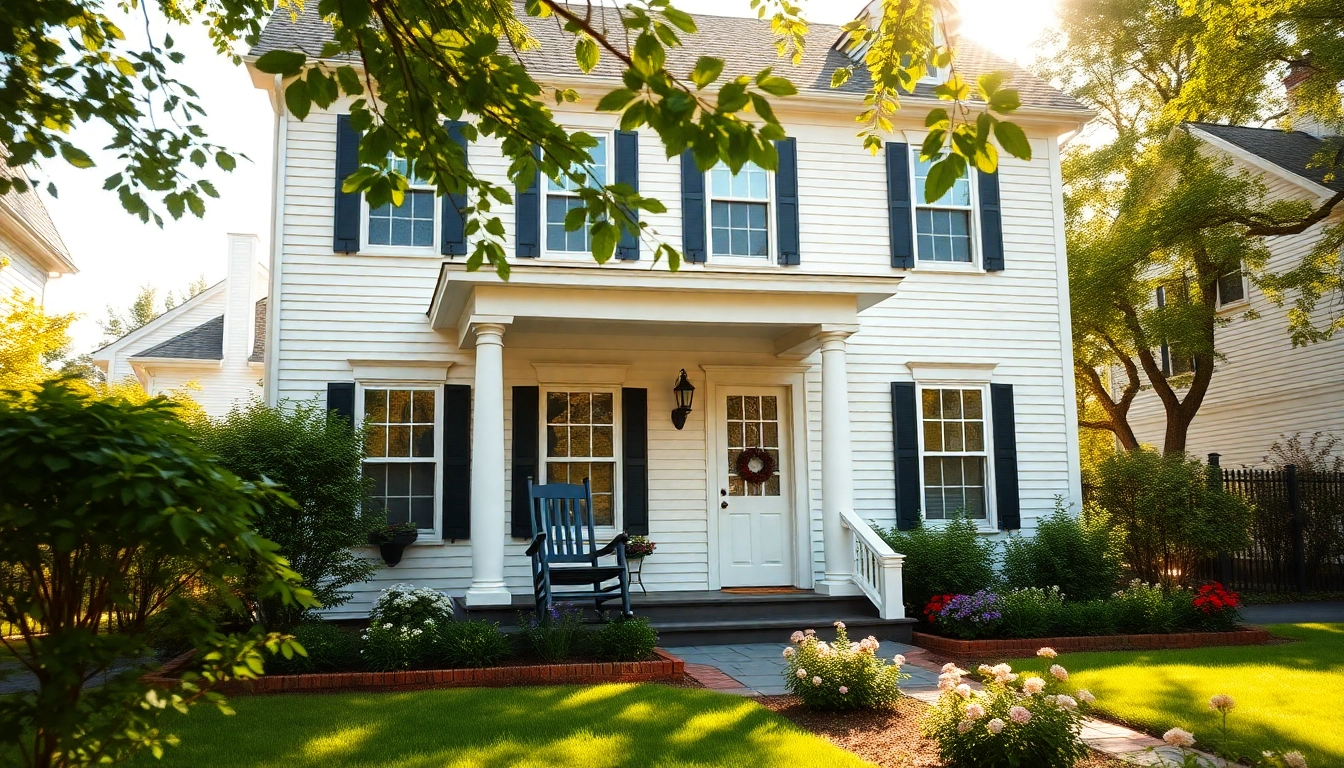
Colonial architecture is characterized by its classic and symmetrical design, rooted in European influences from the many nations that settled in America. Spanning several centuries, the architectural styles include British Colonial, Dutch Colonial, Spanish Colonial, and French Colonial, each leaving a distinctive mark on American home design. Colonial homes typically feature steep roofs, decorative shutters, and brick or wooden facades. This timeless style has continued to inspire homeowners, especially when considering enhancements such as a colonial addition, which can meld seamlessly with original structures while adding functional living space.
Key Features of Colonial Additions
A colonial addition retains the architectural integrity of the original home while introducing modern functionality. Key features to consider when planning a colonial addition include:
- Symmetry: Like traditional colonial homes, additions should maintain a balanced layout with windows and doors placed evenly.
- Materials: Use of authentic materials such as brick, wood, and clapboard siding echoes the original home.
- Roof Lines: Gable or hipped roofs that match the existing structure complement the addition beautifully.
- Windows: Double-hung windows with appropriate trim enhance the colonial aesthetic.
Benefits of Adding a Colonial Style Extension
There are numerous benefits to integrating a colonial-style extension with your home:
- Enhanced Aesthetic Value: A colonial addition can increase the visual appeal and curb value of your property.
- Increased Living Space: More room allows for flexibility in family dynamics or the opportunity for a home office or guest suite.
- Preservation of Historical Integrity: Enhancing your home in line with colonial traditions honors its historical essence.
- Increased Property Value: Well-executed additions often yield a strong return on investment when selling the home.
Planning Your Colonial Addition
Choosing the Right Location
Determining the ideal location for your colonial addition is crucial. Consider the following factors:
- Natural Light: Position the addition to maximize light exposure without compromising privacy.
- Access and Flow: Ensure that the addition enhances traffic flow within the home.
- Landscape: Assess how the addition will affect your yard and garden layout.
- Regulatory Restrictions: Check local zoning laws and regulations that might influence where you can build.
Design Considerations and Regulations
Designing a colonial addition requires careful thought to preserve architectural integrity. Keep these considerations in mind:
- Architectural Style: Stay true to colonial style characteristics while integrating your personal touches.
- Materials and Colors: Select materials that complement the existing structure and maintain color harmony.
- Building Codes: Understand the local building codes that govern additions to ensure compliance.
- Environmental Impact: Design responsibly to minimize environmental disruption.
Working with Architecture Experts
Partnering with professionals such as architects and contractors is key to a successful colonial addition. Their expertise can help you navigate design challenges, building regulations, and project timelines, ensuring a smooth process from initial concept through completion.
Incorporating Modern Touches
Blending Old and New Design Elements
While it's important to respect traditional colonial aesthetics, integrating modern design elements can create a stunning balance. Techniques such as:
- Open Floor Plans: Introduce modern open spaces within the confines of colonial features.
- Sleek Lines: Use contemporary furniture and fixtures that contrast yet complement vintage designs.
- Color Palettes: Incorporate modern color schemes to breathe new life into classic settings.
Energy Efficiency in Colonial Additions
Incorporating energy-efficient features can significantly enhance the utility of your colonial addition while reducing carbon footprints:
- Insulation: Utilize advanced insulation materials that meet modern energy efficiency standards.
- Windows: Install double or triple-glazed windows to improve thermal performance.
- Smart Home Technology: Integrate energy-efficient appliances and smart systems for heating, cooling, and lighting.
Creative Use of Interior Spaces
Maximizing the utility of your newly added space involves thoughtful interior design:
- Multi-functional Spaces: Design rooms that can serve versatile roles, such as guest rooms that double as offices.
- Storage Solutions: Incorporate built-ins that blend with the home’s colonial character while providing functional storage.
- Natural Elements: Use materials like reclaimed wood to connect interior spaces to nature, enhancing overall harmony.
Cost Factors for Colonial Additions
Budgeting Your Project Effectively
Creating a detailed budget is essential to avoid overspending. Key budgeting tips include:
- Define Your Goals: Set clear objectives for your addition to prevent costly alterations later.
- Get Multiple Quotes: Obtain estimates from various contractors to find a fair price for materials and labor.
- Factor in Contingencies: Account for unexpected expenses by adding a contingency fund of 10-15% to your total budget.
Understanding Material Costs
The choice of materials can significantly impact overall costs. Common material considerations include:
- Brick vs. Wood: Brick offers durability while wood can be less expensive but requires maintenance.
- Windows: Invest in energy-efficient windows to save on long-term energy costs.
- Roofing: Select roofing materials that are not only durable but also match the colonial style of your home.
Additional Expenses to Consider
In addition to direct construction costs, consider other potential expenses:
- Permits and Fees: Research local regulations for required permits and their associated fees.
- Professional Fees: Budget for architects, designers, and contractors who will contribute to the project’s success.
- Landscaping: Plan for expenses related to updating your outdoor spaces post-construction.
Success Stories and Examples
Real-life Colonial Addition Transformations
Many homeowners have enhanced their properties with successful colonial additions. Considering actual case studies allows you to visualize possible outcomes:
- Case Study A: A family seamlessly expanded their living space by adding a sunroom with floor-to-ceiling windows, enhancing both aesthetics and energy efficiency.
- Case Study B: Another family created a spacious kitchen extension that maintains colonial charm while providing modern functionality.
Lessons Learned from Completed Projects
From successful projects, several lessons stand out:
- Importance of Communication: Clear communication with architects and contractors is vital to realizing your vision.
- Patience Pays Off: Construction timelines can shift; being patient can lead to better results.
- Research is Key: Understanding design trends and energy-efficient options can save time and money in the long run.
Visual Inspiration for Your Own Addition
When planning your colonial addition, visual examples can be priceless sources of inspiration:
- Online Platforms: Browse home design websites and social media platforms for pictures of previous colonial additions.
- Local Tours: Participate in architectural tours in your area to see colonial homes and their modern adaptations.
Frequently Asked Questions
What is a colonial addition?
A colonial addition is an extension that complements the existing colonial-style home, maintaining architectural integrity while adding livable space.
How can I ensure my addition looks like part of the original house?
Use similar materials, colors, and architectural details to keep the addition cohesive with the original design.
What are the average costs associated with a colonial addition?
Costs vary widely based on size, materials, and locality, but budgeting effectively can help manage expenses.
Do I need a permit for a colonial addition?
Yes, most local municipalities require permits for any structural changes, including additions. Check with local authorities.
How can I make my colonial addition energy efficient?
Incorporate energy-efficient windows, insulation, and appliances to reduce energy consumption and lower utility bills.