Understanding Whole House Repiping Services Tampa
What is Whole House Repiping?
Whole house repiping refers to the comprehensive process of replacing all of the water supply pipes in a home. This service is essential when existing plumbing systems suffer severe damage due to age, corrosion, or leaks. In this procedure, the outdated pipes are removed and replaced with new ones, ensuring a reliable and efficient plumbing system. Homeowners in need of upgraded plumbing can benefit significantly from whole house repiping services Tampa.
Why It's Necessary for Your Home?
As a home ages, its plumbing system can deteriorate, leading to various issues such as low water pressure, rusty water, or surface leaks. Over time, pipes may corrode, causing not only water damage but also potential health concerns due to contaminated water. By investing in whole house repiping, homeowners can prevent these problems before they escalate, ensuring a safe and functional plumbing system.
Signs You Need Repiping Services
- Frequent Leaks: If you notice recurring leaks, it may indicate that your plumbing system is compromised.
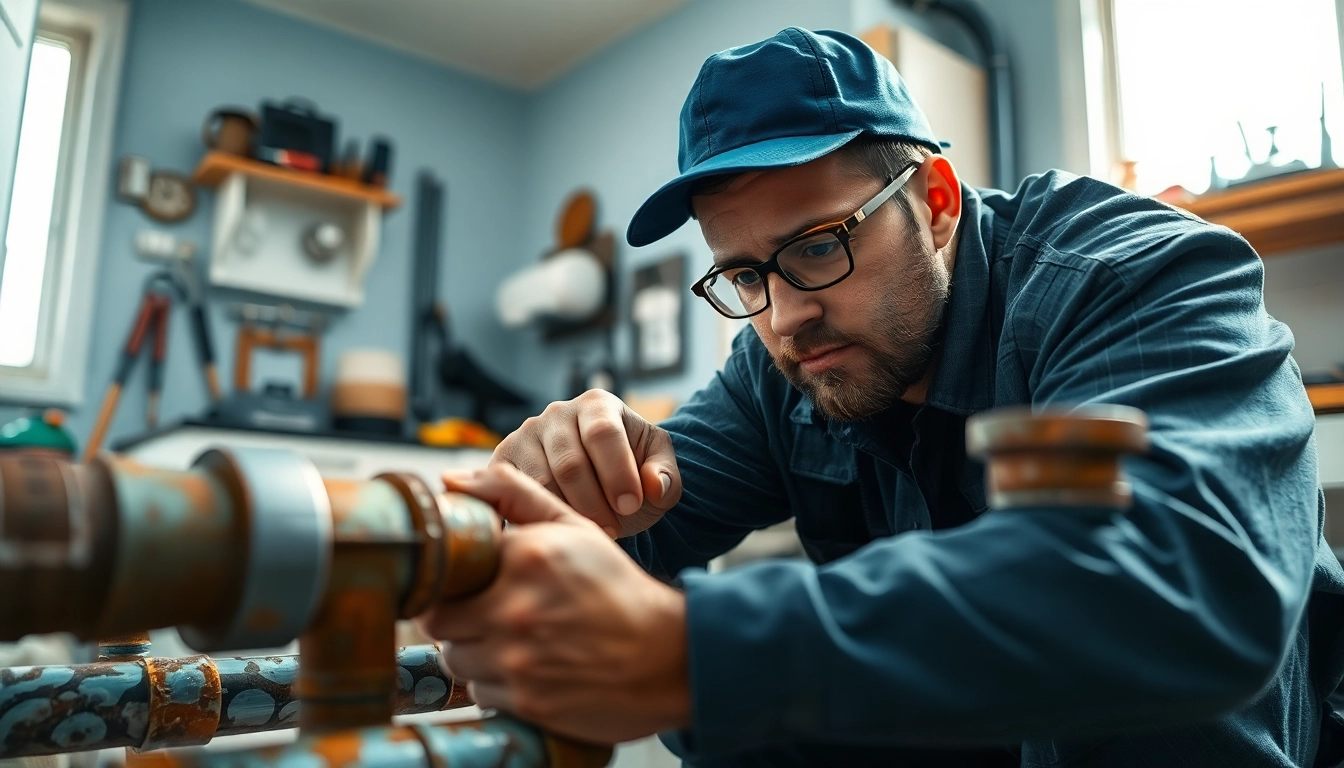
- Corroded Pipes: Visible rust or corrosion on your pipes is a clear sign that they need replacement.
- Discolored or Smelly Water: Rusty or foul-smelling water can mean that your pipes are deteriorating internally.
- Low Water Pressure: A significant drop in water pressure throughout the home can indicate pipe issues.
- Age of the Home: If your home is over 50 years old and still has its original plumbing, repiping is likely necessary.
The Benefits of Whole House Repiping Services Tampa
Improved Water Quality
One of the primary benefits of whole house repiping is the improvement of water quality. New pipes eliminate contaminants such as rust and sediment, ensuring clean and safe water supply throughout your home. This is particularly important for families with children or elderly members, where access to clean water is vital for health and wellness.
Increased Home Value
Upgrading your plumbing system can significantly enhance your home’s value. Prospective buyers are often deterred by outdated plumbing, which can lead to costly repairs after purchase. Having a modern plumbing system installed not only speeds up the selling process but may also result in a higher asking price, making it a wise investment for homeowners considering future resale.
Enhanced Plumbing Efficiency
New pipes allow for better water flow, which can lead to more efficient water usage and potentially lower utility bills. Modern materials used in repiping, such as PEX and copper, are designed to optimize flow and reduce the likelihood of clogs and leaks, contributing to overall plumbing efficiency. Homeowners can appreciate the peace of mind that comes from knowing their plumbing system will perform optimally for years to come.
Choosing the Right Professionals for Repiping
What to Look for in a Plumbing Service?
When selecting a plumbing service for repiping, consider their experience, qualifications, and reputation. It’s essential to choose a licensed and insured contractor who specializes in whole house repiping. A reliable plumber should provide transparent communication, excellent customer service, and a solid warranty on their work to protect your investment.
Questions to Ask Your Contractor
- What type of materials do you recommend for repiping and why?
- Can you provide references from previous clients who have had repiping done?
- What is your estimated timeline for completing the project?
- How do you handle unexpected issues that may arise during the process?
- What warranty do you offer on your workmanship and materials?
Understanding Quotes and Pricing
Obtaining multiple quotes is essential for understanding the cost of whole house repiping. Prices can vary widely based on the materials used, the size of the home, and the extent of work required. A detailed quote should include labor costs, materials, and any additional fees. Ensure you understand each component of the quote to avoid any surprises once the project begins.
The Repiping Process Explained
Initial Inspection and Assessment
The repiping process begins with an initial inspection of your current plumbing system. A qualified technician will perform a thorough assessment, identifying areas of concern and determining the best approach for your home. This stage usually involves evaluating the condition of pipes, checking for leaks, and discussing any specific issues you've encountered.
Preparation and Planning Steps
Once the inspection is complete, the plumber will devise a detailed plan for the repiping process. This may involve scheduling the work, obtaining necessary permits, and preparing the space by moving furniture or covering floors to prevent damage. The planning phase is crucial, as it minimizes disruptions during the actual installation.
Post-Installation Checklist
After the repiping is completed, the contractor will conduct a post-installation checklist. This should include checking for leaks, ensuring that water flows freely through the new system, and testing faucets and appliances connected to the plumbing. Homeowners should also receive instructions on maintaining their new plumbing system.
Frequently Asked Questions About Whole House Repiping Services Tampa
How long does the repiping process take?
The duration of the repiping process can vary based on the size of the home and the complexity of the job. Generally, homeowners can expect it to take anywhere from one to several days.
Will I need to leave my home during repiping?
While it's not always necessary to leave, some homeowners prefer to do so for comfort. Your contractor will inform you of any significant disruptions expected during the project.
What materials are used in repiping?
Common materials for repiping include PEX, copper, and CPVC. Each has its own advantages and may be recommended based on your home’s specific needs and local codes.
Is repiping covered by insurance?
Coverage for repiping varies by insurance policy. It’s best to check with your insurance provider to understand what damages and repairs may be included in your coverage.
How can I maintain my plumbing after repiping?
Regular maintenance is key to longevity. Schedule routine inspections, avoid flushing inappropriate items, and monitor your water pressure to ensure your plumbing remains in good condition.