Understanding Metal Roofing Options in Toronto
Metal roofing has gained popularity in Toronto for its resilience, durability, and aesthetic appeal. As the demand for roofing solutions grows, homeowners and builders alike are keen to explore the various options available. In this article, we’ll delve into the different types of metal roofing materials, their benefits, and key considerations for choosing the perfect style for your home. For those considering a switch to metal roofing toronto, it’s essential to be informed about the options that fit Toronto’s diverse climate.
Different Types of Metal Roofing Materials
Metal roofing offers an array of materials, each presenting unique characteristics suited for various applications. The most common types include:
- Steel: Known for its strength and affordability, steel is the most widely used metal roofing material. Available in galvanized and galvalume options, it’s coated for rust resistance. Painted steel can also offer aesthetic versatility.
- Aluminum: Lightweight and resistant to corrosion, aluminum is ideal for coastal areas where salty air could affect other materials. It maintains its look over time and comes in various finishes.
- Copper: Renowned for its elegance and longevity, copper develops a unique patina over time. While more expensive, it’s an investment that pays off with durability and low maintenance.
- Zinc: Another premium option, zinc is naturally resistant to corrosion and self-heals when scratched. Its long lifespan and unique weathering properties make it highly sought after.
- Metal Shingles: Mimicking the look of traditional shingles, metal shingles can be made from steel or aluminum and offer excellent aesthetics without sacrificing durability.
Benefits of Metal Roofing
Choosing metal roofing comes with numerous benefits:
- Longevity: Metal roofs can last upwards of 50 years or more with proper installation and maintenance, far exceeding the lifespan of typical asphalt shingles.
- Durability: Metal roofing can withstand harsh weather conditions, making it a reliable choice for Toronto’s varied climate, including heavy snowfall and intense storms.
- Energy Efficiency: Metal roofs reflect solar heat, which can lead to reduced energy costs during summer. Many products also have thermal properties that enhance energy efficiency.
- Low Maintenance: With rust-resistant coatings and durable finishes, metal roofs typically require less maintenance than other materials, saving homeowners time and money over the years.
- Environmentally Friendly: Many metal roofs are made from recycled materials and are fully recyclable at the end of their lifespan, contributing to sustainability.
How to Choose the Right Style
While functionality is key, the style of your metal roof is also vital. Consider the following:
- Home Style: Align your choice with the architectural style of your home. For instance, a sleek metal panel may suit modern designs, while traditional homes might benefit from classic metal shingles.
- Color Choices: Metal roofing comes in a multitude of colors and finishes. Lighter colors reflect sunlight, helping with energy efficiency, whereas dark colors may enhance the home’s aesthetic.
- Profile and Texture: The profile (flat, ribbed, or shingled) influences the overall look. Textured finishes can elevate appearance, adding character and depth.
Installation Process of Metal Roofing Toronto
The installation of metal roofing is a significant investment that requires careful planning and execution. Understanding the installation process can lead to better decisions and outcomes.
Pre-Installation Considerations
Before installation begins, several key factors must be considered, including:
- Roof Structure: Ensure your existing structure can support a metal roof’s weight. Consult with a professional if modifications are needed.
- Legal Requirements: Check local building codes, permits, and approvals necessary for metal roofing installation in your area.
- Choosing the Right Contractor: Select a contractor experienced in metal roofing installations to ensure proper handling and techniques.
Step-by-Step Installation Guide
The installation process typically follows these steps:
- Remove Old Roofing: If applicable, remove old roofing materials to prepare for the new installation.
- Inspect and Repair Decking: Check for any damage in the roof decking and repair any issues before proceeding.
- Install Underlayment: A waterproof underlayment is laid to prevent moisture infiltration before placing the metal panels.
- Install Flashing: Flashing should be installed around chimneys, vents, and other protrusions to ensure water tightness.
- Fit the Metal Panels: Starting from the eave, the panels are laid. Proper overlap and fastening are crucial to prevent leaks.
- Complete with Trim and Accessories: Install trim pieces and any additional accessories required to complete the roofing system.
Common Installation Challenges
Metal roofing installations can encounter challenges, such as:
- Weather Conditions: Rain or strong winds can disrupt the installation process. Schedule work during favorable conditions.
- Material Compatibility: Ensure that materials are compatible and appropriate for the existing roofing structure.
- Alignment Issues: Proper alignment of panels is crucial. Misalignment can lead to increased vulnerability to leaks and damage.
Maintenance Tips for Metal Roofing
Maintaining your metal roof is vital to prolong its lifespan and ensure optimal performance.
Regular Inspections
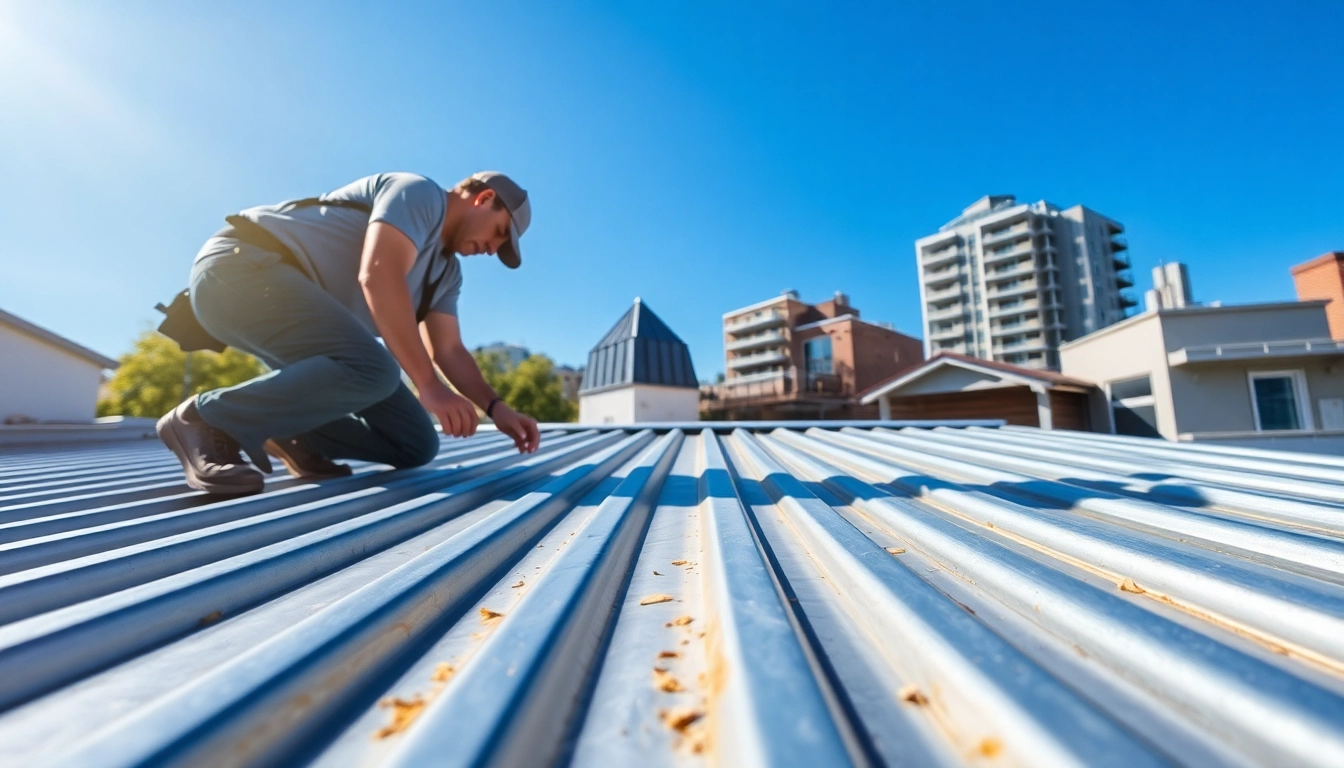
Conduct routine inspections, especially after severe weather. Look for signs of rust, loose panels, or damage that may compromise your roof’s integrity.
Cleaning Tips for Longevity
Keep the roof free from debris, leaves, and dirt buildup. Routine cleaning with mild detergent and water will prevent corrosion and maintain its aesthetic appeal.
What to Look for in Repairs
Promptly address minor issues to avoid escalating problems. Look for punctures, gaps in seams, or degraded flashing and repair them immediately to maintain the roof’s protective features.
Cost Factors of Metal Roofing in Toronto
Understanding the costs involved in installing a metal roof can help you budget effectively and make informed decisions.
Material Cost Analysis
The cost of metal roofing materials varies significantly based on type and quality. Steel tends to be more affordable, while copper and zinc are at the higher end of the spectrum.
Labor Expenses
Labor costs will depend on the complexity of the installation and the contractor’s experience. Ensure you obtain multiple quotes to get a fair estimate.
Long-Term Investment Benefits
While the initial costs of metal roofing can be higher than traditional materials, its longevity, low maintenance requirements, and energy efficiency often lead to lower costs over time, making it a smart investment.
FAQs about Metal Roofing Toronto
What is the lifespan of metal roofing?
Metal roofing can last 40-70 years depending on the material and maintenance, making it one of the longest-lasting roofing options.
Can metal roofing withstand harsh weather?
Yes, metal roofing is highly resistant to wind, hail, and snow, decreasing the likelihood of damage during severe weather conditions.
Is metal roofing energy-efficient?
Metal roofing reflects solar energy, which helps reduce cooling costs in warm months, enhancing overall energy efficiency in buildings.
What colors are available for metal roofing?
Metal roofing is available in a variety of colors and finishes, allowing for customization to match your home’s style and personal preferences.
Can I install metal roofing myself?
While DIY installation is possible, it’s recommended to hire professionals due to the complexity and specific skills required for proper installation.