- Understanding the Role of a New Jersey General Contractor
- Evaluating Potential New Jersey General Contractors
- Common Challenges in Hiring a New Jersey General Contractor
- Best Practices for Working with Your New Jersey General Contractor
- Frequently Asked Questions about New Jersey General Contractors
Understanding the Role of a New Jersey General Contractor
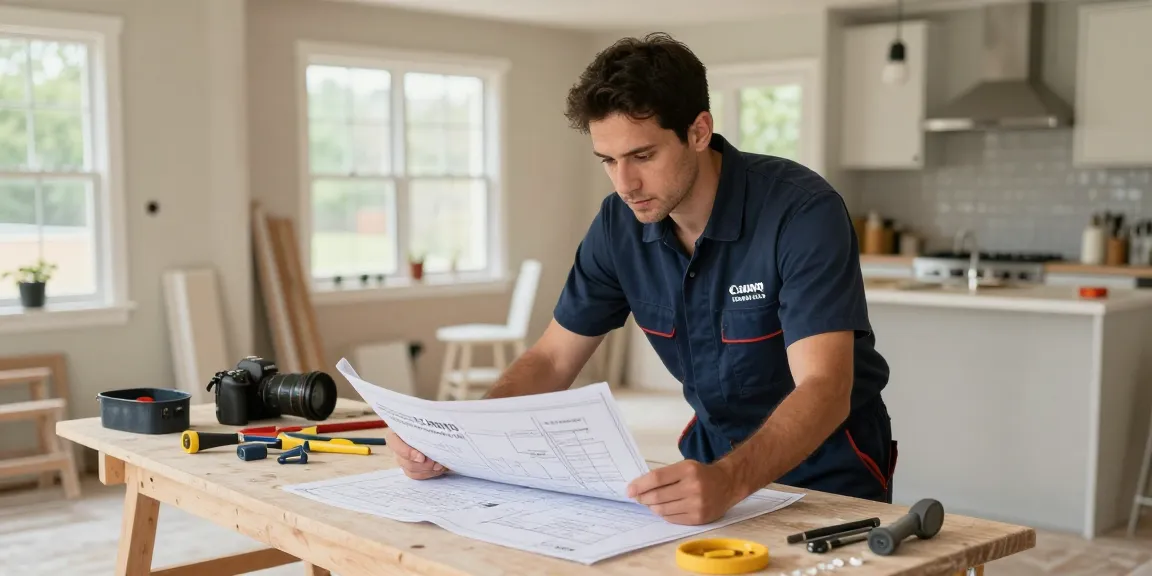
In the construction landscape of New Jersey, a New Jersey General Contractor plays a vital role in managing each aspect of a construction project. This individual or business entity acts as the point of contact between the homeowners or businesses looking to carry out construction work and the various subcontractors who execute specific tasks. General contractors orchestrate the entire project, ensuring that it is completed on time, within budget, and to the desired quality standards.
Key Responsibilities of a General Contractor
The responsibilities of a general contractor go far beyond mere oversight. Here are some of their essential functions:
- Project Management: They plan, schedule, and manage various stages of the project. This involves coordinating with subcontractors, suppliers, and laborers to ensure everything runs smoothly.
- Budgeting: A general contractor estimates project costs, prepares budgets, and continuously monitors expenses to prevent overruns.
- Permits and Regulations: They navigate the complex world of building permits and zoning laws, ensuring that the project complies with local regulations.
- Quality Assurance: By overseeing the work of subcontractors, they ensure that construction meets specified standards and quality requirements.
Importance of Hiring a Licensed Contractor
Hiring a licensed general contractor is crucial for several reasons:
- Legal Compliance: A licensed general contractor is well-versed in local building codes and regulations, which helps to avoid legal issues during and after construction.
- Insurance Protection: Licensed contractors typically carry liability insurance and workers’ compensation, which protects the homeowner from potential financial burdens in case of accidents.
- Quality Workmanship: Hiring a licensed contractor often ensures that the work will be performed by qualified professionals who adhere to industry standards.
How Contractors Operate in New Jersey
In New Jersey, the operations of general contractors are guided by specific laws and regulations that shape their practices:
- Licensing Requirements: Contractors in New Jersey must obtain a state license, demonstrating their qualifications and understanding of construction standards.
- Contractual Obligations: They must draft detailed contracts that specify the scope of work, payment schedule, and timeline, protecting both parties involved.
- Local Regulations: Understanding and adhering to local ordinances is critical, as these can vary greatly from one municipality to another.
Evaluating Potential New Jersey General Contractors
Choosing the right general contractor is a significant decision that can impact the success of your construction project. Here are some strategies for evaluating potential candidates:
What to Look for in Reviews and References
Online reviews and references from past clients can provide insight into a contractor’s reliability and performance. Here are aspects to consider:
- Overall Ratings: Look for contractors with high ratings across multiple platforms, indicating consistent quality.
- Project Similarity: Past reviews should reflect projects similar to yours in scope and complexity.
- Response to Issues: Pay attention to how the contractor responded to negative reviews or complaints.
Assessing Experience and Expertise
Experience is a critical component of a general contractor’s effectiveness. Consider the following:
- Years in Business: An established contractor often has a proven track record of successfully completed projects.
- Specialization: Some contractors specialize in specific types of construction (commercial, residential, renovations). Choose one whose expertise aligns with your project needs.
Interviewing Candidates Effectively
The interview process is your chance to assess the contractor’s suitability. Here are some effective strategies:
- Prepare Questions: Ask about their experience, project management processes, and how they handle challenges.
- Discuss Availability: Ensure the contractor’s schedule aligns with your project timeline.
- Inquire About Workmanship: Delve into their approach to quality control and the materials they prefer to use.
Common Challenges in Hiring a New Jersey General Contractor
Hiring a general contractor can often come with challenges. Here are some common issues faced by homeowners, and solutions for managing them:
Budget Overruns and Cost Management
Budget overruns can occur due to unforeseen circumstances or poor planning. To manage costs effectively:
- Set a Realistic Budget: Include a contingency fund of 10-20% to cover unexpected expenses.
- Regular Reviews: Schedule periodic budget reviews with your contractor to keep track of expenses.
Timing and Scheduling Issues
Delays can significantly impact a project. Here are ways to mitigate timing issues:
- Establish Clear Deadlines: Define completion dates and monitor progress regularly.
- Communication: Maintain open lines of communication with your contractor to ensure all parties are aligned.
Quality Control and Project Oversight
Keeping track of quality during construction is vital. To ensure quality:
- Regular Inspections: Conduct regular site visits to assess the work being done.
- Documentation: Keep records of all communications and agreements regarding quality standards for reference.
Best Practices for Working with Your New Jersey General Contractor
Building a strong working relationship with your general contractor can significantly enhance project outcomes. Here’s how:
Establishing Clear Communication Lines
Effective communication is the cornerstone of any successful project. Here are strategies to improve communication:
- Regular Meetings: Schedule weekly or bi-weekly meetings to discuss progress, challenges, and upcoming tasks.
- Point of Contact: Designate a single point of contact for communication to avoid confusion and ensure clarity.
Setting Realistic Expectations and Timelines
Managing expectations is fundamental to a smooth project experience. Consider these best practices:
- Define Scope Clearly: Clearly outline project scope and limitations in the contract to avoid scope creep.
- Realistic Timelines: Understand that construction may encounter setbacks due to weather or supply issues, and plan accordingly.
Monitoring Progress and Compliance
Keeping tabs on ongoing work is vital to ensuring compliance with contracts and quality standards:
- Schedule Inspections: Arrange inspections at key stages of the project to ensure adherence to plans.
- Review Quotations: Regularly review any change orders or modifications to the project to stay within budget and timeline.
Frequently Asked Questions about New Jersey General Contractors
What should I ask before hiring a contractor?
Ask about their licensing, experience with projects similar to yours, the timeline they anticipate, and how they handle changes or issues that arise during construction.
How do I verify a contractor’s license in New Jersey?
You can verify a contractor’s license in New Jersey by visiting the New Jersey Division of Consumer Affairs website, where you can search for their license status and any past complaints.
What are common warning signs of a bad contractor?
Red flags include lack of responsiveness, negative reviews online, requests for large upfront payments, and a reluctance to provide references or credentials.
Does hiring a general contractor really save money?
Yes, hiring a general contractor often saves money by managing resources efficiently, avoiding costly mistakes, and leveraging vendor relationships for better pricing.
How do payments typically work with contractors?
Payments generally follow a schedule outlined in the contract, often involving a deposit upfront, followed by milestone payments as work progresses, and a final payment upon project completion.