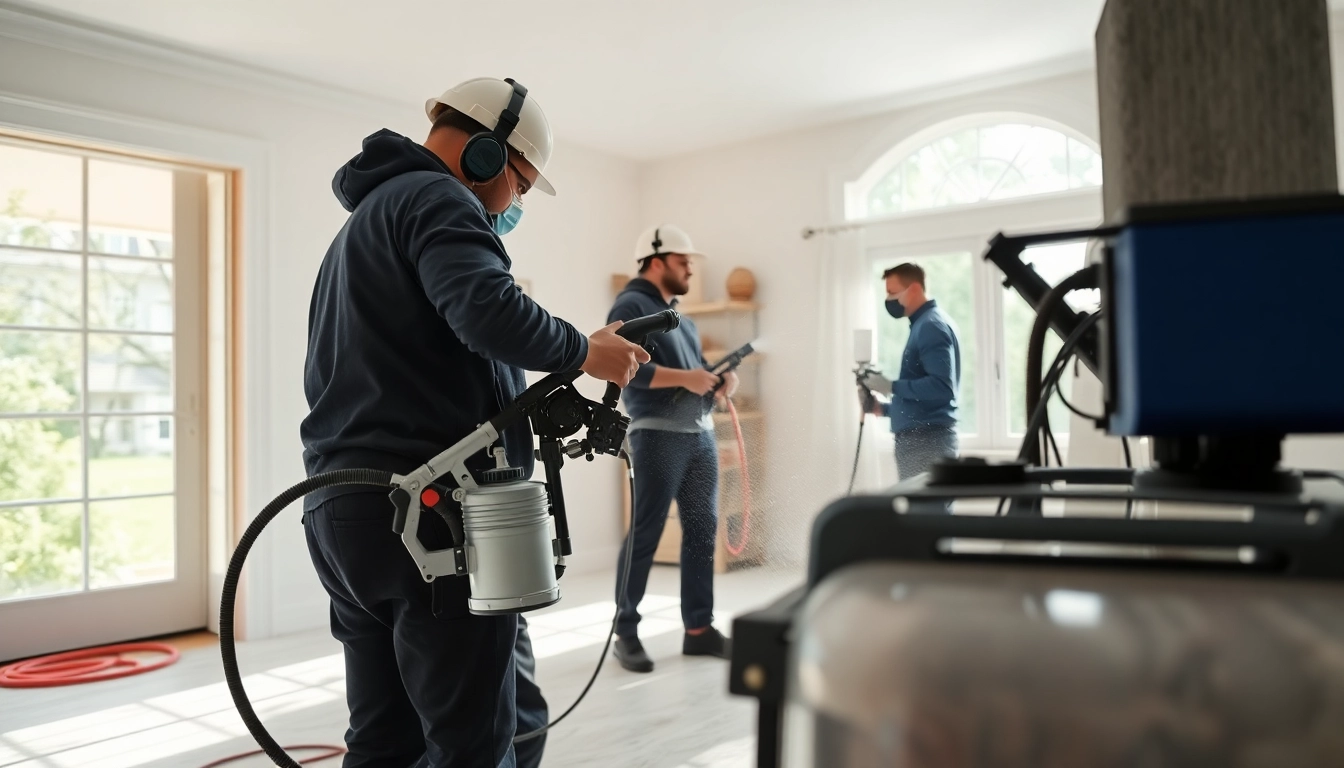
Understanding Spray Foam Removal London
Spray foam insulation has gained popularity for its energy efficiency and superior sealing capabilities, but there are instances where removal becomes necessary. Understanding the intricacies of spray foam removal London is crucial for homeowners and construction professionals alike. This guide will delve into the reasons for removal, the processes involved, and how to tackle challenges effectively.
What is Spray Foam Insulation?
Spray foam insulation is a type of insulation material that expands on application, filling gaps and creating a seal that helps maintain temperature and reduce energy costs. It typically comprises two components: isocyanate and polyol resin, which are mixed in place and sprayed onto surfaces. The result is a robust, moisture-resistant layer that adheres to various materials, making it highly effective for insulating roofs, walls, and crawlspaces.
Why Remove Spray Foam?
Despite its advantages, there are specific scenarios where removing spray foam insulation is necessary or beneficial. Common reasons include:
- Deterioration: Over time, spray foam can degrade, leading to reduced insulation effectiveness and potential health hazards.
- Moisture Issues: If water damage occurs beneath the spray foam, it can trap moisture, fostering mold growth and deteriorating structures.
- Renovations: Home renovations or changes in climate control systems may require the removal of existing insulation to accommodate new materials or configurations.
- Pest Infestations: Spray foam can harbor pests. If pests are detected, removal and remediation become essential.
Common Challenges Faced during Removal
Removing spray foam insulation can be a complex task fraught with challenges, including:
- Adhesion: Spray foam bonds tightly to surfaces, making it difficult to remove without causing damage to the underlying material.
- Dust and Debris: The removal process generates a significant amount of dust and debris, which can cause respiratory issues if proper precautions aren’t taken.
- Cost: The removal and disposal costs can be substantial, especially if the insulation has been in place for a long time.
Preparing for Spray Foam Removal London
Assessing Your Space
Before initiating the removal process, it’s essential to assess the area where the spray foam is applied. This assessment should include:
- Inspection for Damage: Check for any signs of water damage or deterioration in the structure that may need addressing.
- Layout Planning: Consider the layout and accessibility of the space to plan efficient removal routes.
- Identifying Other Materials: Understand what materials are present along with the spray foam to determine the best removal technique.
Necessary Tools and Equipment
Successful spray foam removal requires specific tools and equipment. These may include:
- Reciprocating Saw: Ideal for cutting through the foam and access areas without damaging underlying structural materials.
- Oscillating Multi-Tool: Useful for detailed work and reaching into corners where spray foam is applied.
- Protective Gear: Safety glasses, gloves, and respiratory protection are crucial for safe removal to prevent exposure to dust and particles.
- Shop Vacuum: Essential for cleaning up debris and dust particles after removal.
Safety Precautions to Consider
Safety should always be a priority during the removal process. Key precautions include:
- Ventilation: Ensure the area is well-ventilated to minimize inhalation of dust and harmful particles.
- Personal Protective Equipment (PPE): Wear appropriate PPE to shield yourself from exposure to potentially harmful materials.
- Electrical Safety: Turn off power in areas where electrical lines may be affected by the removal process.
The Spray Foam Removal Process Explained
Step-by-Step Guide to Removal
The process of removing spray foam typically involves several steps:
- Preparation: Gather necessary tools, protective gear, and prepare the site by clearing furniture and covering unprotected surfaces.
- Cutting: Use a reciprocating saw or oscillating multi-tool to cut through the spray foam layer carefully. Make shallow cuts to avoid damaging underlying materials.
- Peeling: Once the foam is cut, carefully peel it away from the surface. Utilize scraping tools if necessary, but proceed gently to avoid causing additional damage.
- Cleaning: After removal, use a shop vacuum to collect dust and debris thoroughly. Ensure the area is clean for future applications or repairs.
Post-Removal Cleaning Strategies
After the spray foam has been removed, it’s essential to proceed with cleaning interventions:
- Dust Control: Use damp cloths or mops to help contain and collect any residual dust, preventing it from settling elsewhere.
- Surface Inspection: Inspect the surfaces for any damage that may require repair before proceeding with insulation replacement or other work.
Disposal of Removed Materials
Proper disposal is crucial for environmental compliance and local regulations. Here are key points to consider:
- Local Regulations: Familiarize yourself with local waste disposal regulations for hazardous materials.
- Recycling Options: Explore recycling options for removed materials if available in your region.
Hiring Professionals for Spray Foam Removal London
Benefits of Professional Services
While some homeowners may consider DIY methods, hiring professionals offers several advantages:
- Expertise: Professionals have the experience and knowledge to perform removal safely and efficiently.
- Advanced Equipment: They utilize specialized tools and protective gear that may not be available to the average homeowner.
- Time-Saving: Professionals can often complete the job more quickly, allowing you to move forward with renovations or repairs.
Questions to Ask Your Contractor
Before hiring a contractor, consider asking the following questions:
- Experience: How long have you been in the spray foam removal business?
- References: Can you provide references from past clients?
- Insurance: Are you insured and licensed for this type of work?
- Methods: What methods and equipment do you use for removal?
Cost Considerations
Understanding the costs involved can help you budget accordingly. Factors affecting removal costs include:
- Size of the Area: Larger areas will naturally incur higher removal costs.
- Accessibility: Difficult-to-reach areas may require additional time and effort, affecting overall costs.
- Condition of Foam: Older, more deteriorated foam may require more work and, thus, higher costs for removal.
FAQs about Spray Foam Removal London
How long does spray foam removal take?
The duration depends on the size of the area and the conditions, typically ranging from a few hours to a couple of days for complete removal.
Is spray foam removal messy?
Yes, it can be messy due to dust and debris. However, with proper containment measures, the mess can be managed effectively.
Can I do it myself?
While DIY is possible, it requires specialized tools and safety measures. Hiring professionals is often recommended for safety and effectiveness.
What should I expect post-removal?
Post-removal, surfaces may require repairs or cleaning. You may also consider new insulation or renovations, depending on your plans.
Are there any environmental concerns?
Improper disposal of spray foam can have environmental impacts. It’s crucial to follow local regulations for safe disposal.