Understanding Flooring LVP and Its Benefits
What is Flooring LVP?
Flooring LVP, short for Luxury Vinyl Plank, is a high-quality flooring option designed to mimic the appearance of natural materials such as hardwood or stone while offering additional benefits. Each plank is constructed from multiple layers, including a backing layer, a core layer that provides rigidity, and a decorative layer that features the printed design. This multi-layer design contributes to the durability and versatility that LVP offers. In addition, flooring LVP is water-resistant and can be installed in various settings, making it a popular choice among homeowners and designers alike. For those seeking a stylish upgrade to their floors, flooring lvp presents an impressive solution.
Key Advantages of Flooring LVP
The advantages of flooring LVP are numerous and noteworthy. One of the primary benefits is its resilience. The layers of LVP protect against scratches and dents, making it an ideal choice for high-traffic areas and homes with pets. Additionally, its water-resistant qualities allow for installation in bathrooms, kitchens, and basements without the worry of damage from spills or humidity. The ease of installation further enhances its appeal, as many LVP products utilize a click-lock design that allows them to be laid over existing floors without requiring extensive preparation.
Durability and Longevity of Flooring LVP
Durability is perhaps the most significant aspect of flooring LVP. Most products in this category come with warranties that can span 10 to 20 years or more, contingent on proper care and maintenance. The waterproof core and resistant surface make flooring LVP particularly well-suited for environments that experience heavy moisture or fluctuations in temperature. This longevity makes it a sound investment for homeowners looking to update their living spaces while ensuring the longevity and aesthetic appeal of their flooring.
Choosing the Right Flooring LVP for Your Home
Factors to Consider Before Purchase
When selecting flooring LVP for your home, several factors merit consideration. First, think about the location and intended use of the flooring. Areas such as the kitchen may require thicker, more durable options to withstand the daily hustle. Additionally, consider the type of subfloor; while many LVP products can be installed over existing floors, a smooth and even surface is crucial for a flawless finish. Weight, thickness, and the wear layer should also be evaluated, as these aspects contribute directly to the performance and lifespan of the product.
Design Styles and Aesthetic Options
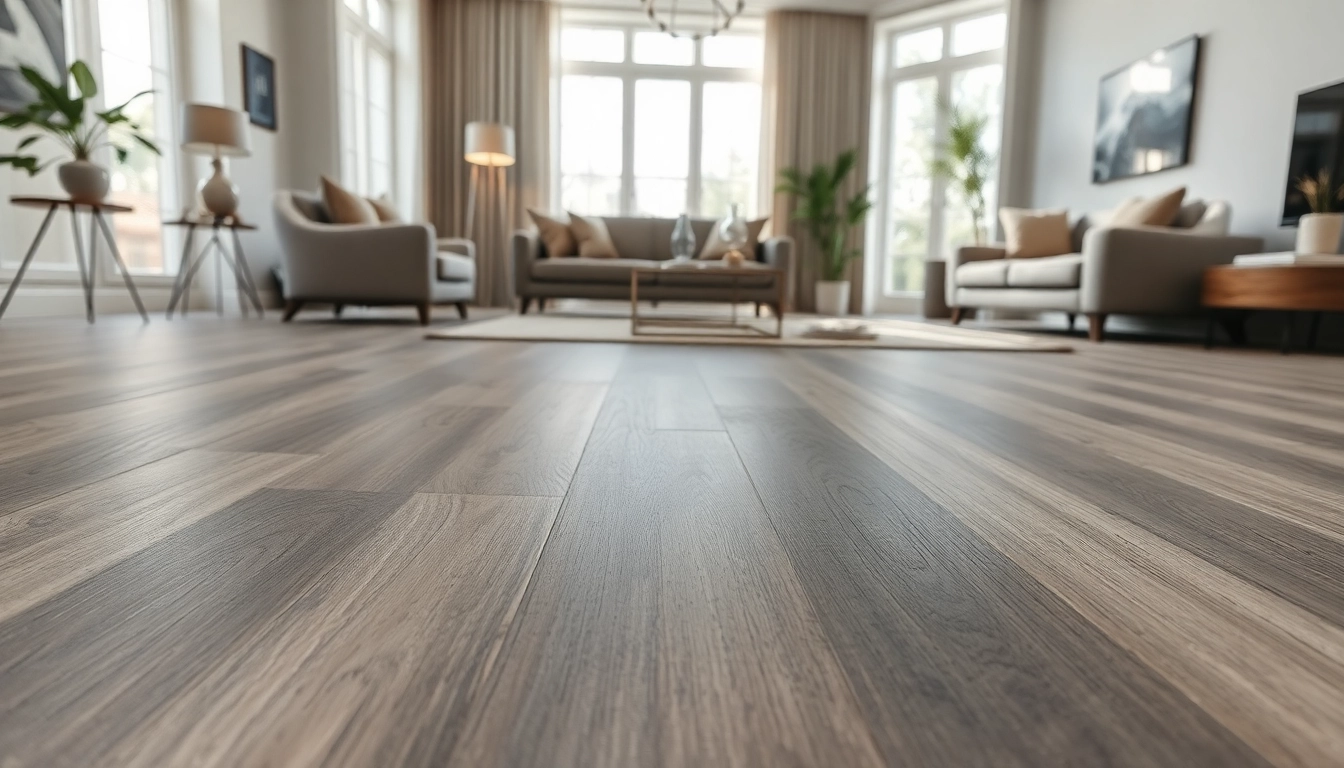
Flooring LVP comes in a plethora of design styles, allowing homeowners to achieve various aesthetics. From rustic woods to sleek modern finishes, the options are virtually limitless. Color and texture play essential roles in ensuring that your flooring harmonizes with existing décor. Additionally, patterns can range from traditional wood grains to innovative geometric designs that can give a room character. Many products also mimic the look of genuine hardwood or stone closely, providing a sophisticated appearance at a fraction of the cost.
Cost Considerations and Budgeting
Budgeting for flooring LVP requires understanding both the upfront costs and long-term value. While some high-end products may come with a premium price tag, the durability, and low maintenance needs can offset these initial costs over time. Determine your budget beforehand, considering factors like installation costs—whether hiring a professional or opting for a DIY approach—and any additional materials needed for installation, such as underlayment. Exploring various price points will ensure that you find a suitable option that aligns with your financial plan while still meeting your aesthetic and functional needs.
Installation Process for Flooring LVP
Preparing Your Space for Installation
Preparing your space for LVP installation is crucial for achieving the best results. Start by clearing the area of furniture and any existing flooring, if necessary. Ensure the subfloor is clean, dry, and level before proceeding. If gaps or irregularities exist, repairs or leveling compounds may be needed. Making use of an acclimation period, where the LVP is allowed to adjust to the room’s temperature and humidity, can also help prevent future issues. Measure and plan the layout beforehand to visualize the placement of planks, ensuring alignment and balance in the finished product.
DIY vs Professional Installation
A significant decision when installing flooring LVP is whether to tackle the project yourself or hire a professional. DIY installation can save money and provide a sense of accomplishment, especially with the straightforward click-lock systems designed for ease of use. However, lack of experience can lead to mistakes that may affect the final appearance and integrity of the flooring. Professional installation, while more costly, often guarantees a flawless finish, as contractors bring expertise in handling intricate designs or challenging subfloor conditions. Evaluating your skills and the complexity of the project will guide you to the right choice.
Common Installation Mistakes to Avoid
Several common installation mistakes can undermine the effectiveness of flooring LVP. Failing to acclimate planks, uneven subfloors, and incorrect measuring can all lead to significant issues. Additionally, neglecting to leave adequate expansion gaps can result in warping or buckling over time. Always ensure adequate space around edges to allow for natural expansion and contraction. Careful planning and consideration of these factors can help achieve a successful installation that endures for years to come.
Care and Maintenance of Flooring LVP
Daily Cleaning Tips for Flooring LVP
Maintaining the appearance of flooring LVP requires a straightforward cleaning routine. Daily or weekly sweeping and vacuuming can prevent dirt and debris from scratching the surface. For deeper cleaning, a damp mop with a gentle cleanser specifically formulated for LVP can rejuvenate the flooring without causing damage. Avoid using harsh chemicals, abrasive cleaners, or scrub brushes, as these can degrade the topcoat and diminish its water-resistant properties. Establishing a regular cleaning schedule ensures that your floors remain pristine without excessive effort.
Restoring Shine and Preserving Quality
Over time, even the most well-maintained flooring LVP can lose its shine. To restore its luster, consider using a vinyl floor polish designed to enhance the appearance of LVP without compromising its integrity. Periodically applying polish can offer a protective layer against scuffs and scratches while revitalizing the floor’s color and sheen. Always follow manufacturer instructions for application and use to maintain the quality of your floors effectively.
Handling Damage and Repairs
Despite its durability, flooring LVP is not completely impervious to damage. Scratches and dents can occur from heavy objects or pet claws. To address minor issues, many manufacturers provide repair kits or specific products designed for touching up your flooring. For more significant damages, individuals can often replace individual planks without the need to re-do the entire floor. Knowing the exact product used can facilitate seamless repairs without compromising the overall aesthetic.
Exploring Trends in Flooring LVP Design
Popular Textures and Finishes in 2023
The flooring LVP landscape is continuously evolving, with emerging trends shaping contemporary spaces. Textures that mimic natural materials, such as wire-brushed or hand-scraped finishes, have gained popularity, allowing for a rustic yet refined feel. Additionally, high-gloss finishes or matte styles cater to varying tastes and interior aesthetics. Color trends also lean toward warmer, earth-toned palettes or grey hues that blend seamlessly with popular home décor styles, offering versatility to any space.
Sustainability in Flooring LVP Choices
Sustainability is becoming a crucial factor in flooring LVP choices as consumers become more environmentally conscious. Many manufacturers now produce flooring options from recycled or reclaimed materials, ensuring a lower environmental impact. Some LVP products are also free from harmful chemicals associated with traditional flooring options, contributing to better indoor air quality. By choosing sustainable flooring, homeowners can create beautiful spaces while minimizing their carbon footprint and supporting eco-friendly practices.
Innovative Uses for Flooring LVP in Interior Design
Beyond traditional flooring applications, innovative uses for flooring LVP in interior design are on the rise. Homeowners are incorporating LVP in unexpected areas, such as accent walls, ceilings, or even furniture pieces, enjoying its versatility and aesthetic appeal. Such creative implementations allow for unique design statements that align with personal style, making it an attractive option for renters and homeowners alike. With advancements in product offerings, the potential for LVP to transform spaces continues to expand dramatically.
FAQs
What makes flooring lvp a preferable option?
Flooring lvp is durable, water-resistant, and easy to maintain, making it ideal for a variety of spaces.
Can flooring lvp be installed over existing floors?
Yes, flooring lvp can often be installed over existing hard surfaces if they’re smooth and level.
How do I clean and maintain flooring lvp?
Regular sweeping and occasional damp mopping with a suitable cleaner will keep flooring lvp looking its best.
Is flooring lvp eco-friendly?
Many flooring lvp options are made from recycled materials and are free from harmful chemicals, making them a sustainable choice.
How long does flooring lvp last?
With proper care, flooring lvp can last 10-20 years or more, depending on the quality and usage.