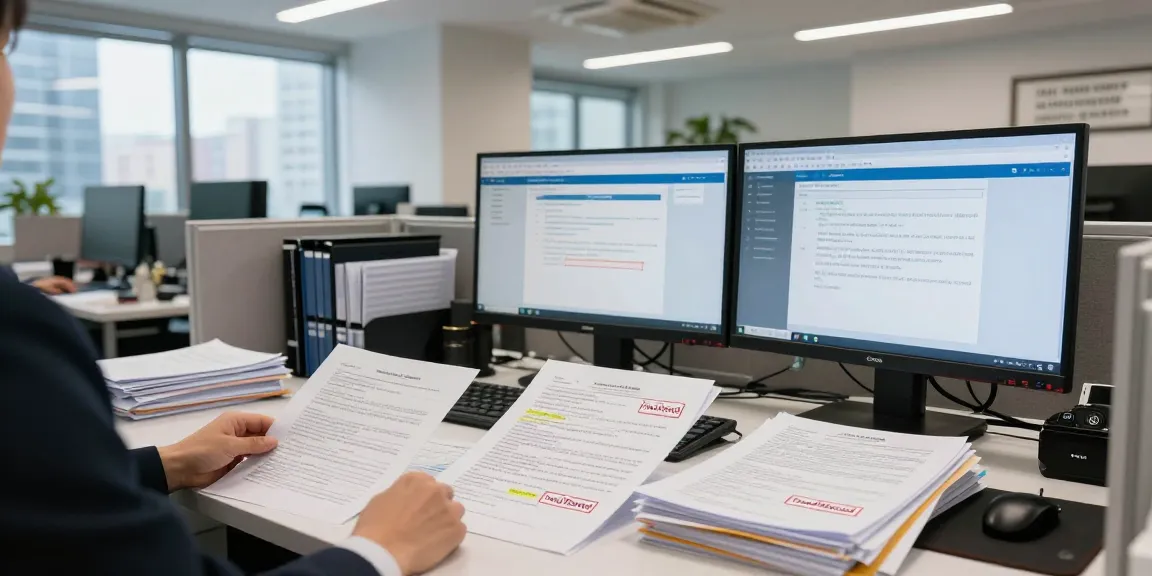
Introduction to New York Construction Manager Role
The role of a New York Construction Manager is critical in the realm of construction and project management. Encompassing a diverse range of responsibilities, this position serves as the backbone of successful construction projects. Whether overseeing residential homes, commercial buildings, or infrastructure developments, a construction manager's expertise ensures that projects are completed on time, within budget, and to the desired level of quality.
Defining Responsibilities of New York Construction Manager
The responsibilities of a New York Construction Manager are multifaceted and include the planning, coordination, and supervision of construction projects from inception to completion. This entails a variety of tasks:
- Scheduling: Developing a project timeline that contains detailed phases and milestones.
- Budget Management: Estimating project costs and managing expenses to adhere to financial constraints.
- Resource Allocation: Identifying, procuring, and managing materials, equipment, and labor.
- Compliance: Ensuring all aspects of construction adhere to legal regulations and safety standards.
- Stakeholder Communication: Liaising with clients, architects, contractors, and other stakeholders to keep everyone informed and aligned.
The Importance of Project Management
Project management underpins the construction manager's role, integrating the various elements of a project to achieve defined objectives. Effective project management involves:
- Defining Goals: Clearly establishing what the project aims to achieve.
- Monitoring Progress: Continuously tracking project advancement against timelines and budgets.
- Problem-Solving: Addressing issues that arise during the construction process swiftly to prevent delays.
Know Your Construction Standards
Familiarity with local, state, and federal construction standards and practices is paramount for a New York Construction Manager. Knowledge of the following is essential:
- Building Codes: Regulations that govern construction design and safety.
- Environmental Regulations: Standards to minimize the environmental impact of construction activities.
- Labor Laws: Legislation affecting worker rights and safety on the job site.
Key Skills Required for New York Construction Manager
Leadership and Team Management
Leadership is a cornerstone skill for a New York Construction Manager. This role necessitates the ability to manage diverse teams effectively while motivating individuals to perform at their best. Essential practices include:
- Building Team Cohesion: Fostering collaboration and teamwork among contractors, laborers, and stakeholders.
- Conflict Resolution: Navigating disagreements and finding amicable solutions to maintain project harmony.
- Delegating Tasks: Assigning responsibilities based on team strengths and project requirements.
Technical Knowledge in Construction
A robust understanding of construction techniques, materials, and technology is vital for the New York Construction Manager. This includes:
- Construction Methods: Familiarity with various building techniques and best practices.
- Blueprint Reading: The ability to interpret and analyze architectural plans and specifications.
- Cost Estimation: Skills in accurately estimating project costs based on specifications and market conditions.
Communication Skills for Stakeholder Engagement
Strong communication skills facilitate effective engagement with diverse stakeholders, including clients, subcontractors, and regulatory agencies. Critical aspects of communication skills include:
- Active Listening: Understanding stakeholder expectations and concerns to foster productive relationships.
- Presentation Skills: Communicating project plans, status, and challenges clearly and confidently to stakeholders.
- Written Communication: Drafting reports, contracts, and correspondence clearly and concisely.
Best Practices for New York Construction Manager
Effective Planning and Scheduling Techniques
Effective planning and scheduling are foundational to successful project execution. Best practices include:
- Utilizing Project Management Software: Tools such as Microsoft Project, Primavera, or specific construction management platforms can streamline workflow.
- Creating a Detailed Project Timeline: Outlining key milestones, dependencies, and critical paths ensures projects remain on track.
- Flexibility in Planning: Adapting to unexpected changes or delays while maintaining focus on project goals.
Quality Control Measures to Implement
Ensuring project quality is critical for client satisfaction and compliance. Several best practices for quality control include:
- Regular Site Inspections: Conducting systematic inspections to ensure workmanship meets quality standards.
- Establishing Quality Standards: Defining benchmarks and guidelines for materials and processes before commencing work.
- Feedback Loops: Creating processes for receiving and addressing feedback to continually improve quality.
Safety Protocols to Follow
Establishing a culture of safety is paramount on a construction site. Recommended safety protocols include:
- Conducting Safety Training: Providing workers with comprehensive safety training tailored to their specific roles.
- Regular Safety Audits: Performing audits to identify safety hazards and rectify them proactively.
- Emergency Response Plans: Establishing clear procedures for emergencies, including evacuation routes and contact protocols.
Challenges Faced by New York Construction Manager
Managing Budget Constraints
Budget constraints are a common challenge for any New York Construction Manager. To effectively manage budgets, consider the following:
- Thorough Cost Analysis: Conduct detailed cost analysis during the planning stage to allocate resources appropriately.
- Contingency Planning: Always include a contingency fund to account for unexpected expenses.
- Cost Tracking Tools: Utilize financial software to track expenditures against the budget in real-time.
Dealing with Regulatory Compliance
Navigating complex regulatory frameworks can be daunting for construction managers. Strategies to manage compliance issues include:
- Staying Informed: Keeping abreast of changes in local and state regulations that affect construction practices.
- Engaging Legal Experts: Consulting with legal professionals who specialize in construction law to ensure compliance.
- Documentation: Maintaining meticulous records of all permits, inspections, and compliance efforts for accountability.
Handling Workforce Issues
Workforce management challenges, such as shortages or conflicts among team members, can disrupt project timelines. Solutions may include:
- Effective Recruitment: Implementing a robust recruitment strategy to attract skilled workers.
- Training Programs: Establishing ongoing training programs to enhance skills and job satisfaction.
- Conflict Resolution Strategies: Developing protocols to address interpersonal conflicts quickly and fairly.
FAQs: Enhancing Your Knowledge as a New York Construction Manager
What is the average salary of a New York Construction Manager?
The average salary can vary but typically ranges from $85,000 to $150,000 per year, depending on experience and project type.
How can a New York Construction Manager improve project efficiency?
Improving efficiency can be achieved through effective planning, timely communication, and utilizing project management software for streamlined operations.
What software tools are essential for a New York Construction Manager?
Essential tools include project management software like Microsoft Project, cost estimation tools, scheduling systems, and communication platforms for team collaboration.
How does a New York Construction Manager handle subcontractors?
A construction manager should establish clear contracts, maintain open communication, and regularly assess performance to ensure that subcontractors meet project standards.
What certifications are recommended for a New York Construction Manager?
Recommended certifications include the Project Management Professional (PMP), Certified Construction Manager (CCM), and OSHA certifications for safety management.