Understanding Vediography and Its Importance
Defining Vediography
Vediography is the art and process of capturing moving images with the primary goal of storytelling. It combines various elements such as cinematography, direction, editing, and post-production techniques to create videos that resonate with audiences. Unlike traditional videography, which can be more mechanically focused, vediography emphasizes the narrative aspect of video production, aiming to engage viewers on a deeper emotional level. As digital content consumption continues to rise, vediography has become increasingly vital for businesses, educators, and individuals looking to effectively convey their messages.
The Role of Vediography in Modern Storytelling
In today’s visual-centric world, the narrative power of vediography is unparalleled. Brands and creators utilize vediography to connect with their audiences through compelling stories that are visually engaging. This medium is not just about presenting information; it is about evoking emotions and inspiring actions. Vediography enables storytellers to share experiences—whether through documentaries, advertisements, or personal projects—by using visual aesthetics and soundscapes that create a memorable viewer experience.
Benefits of Professional Vediography
Investing in professional vediography offers numerous advantages:
- Enhanced Engagement: Professionally produced videos tend to capture attention more effectively than text or static images, leading to higher viewer retention.
- Improved Brand Image: High-quality vediography elevates a brand’s perception, fostering trust and credibility among its audience.
- Effective Communication: Vediography conveys complex ideas succinctly, making it an invaluable tool for educators and marketers alike.
- Increased Reach: Videos are one of the most shared forms of content online, giving brands the potential to reach larger audiences through social networks.
Essential Equipment for Effective Vediography
Cameras and Lenses for Vediography
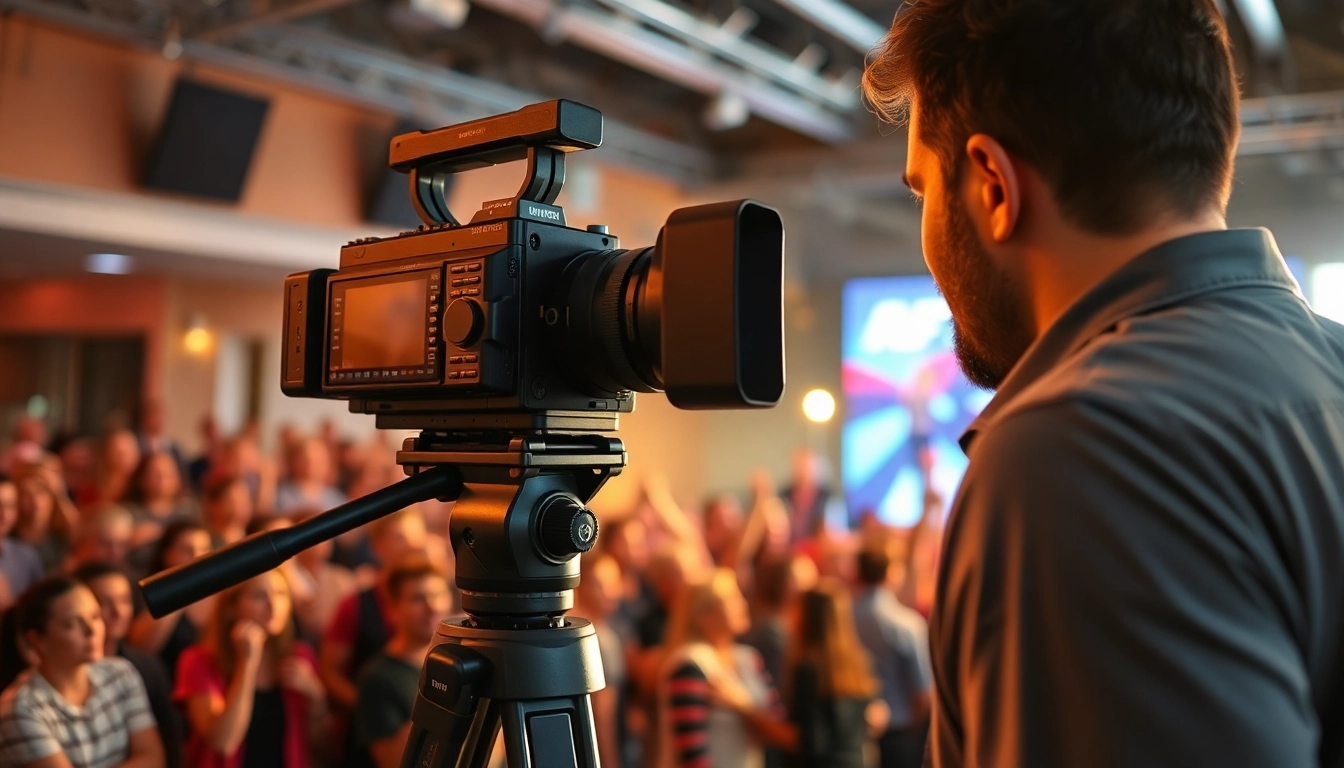
Choosing the right camera system is foundational to effective vediography. Various options exist, ranging from DSLRs and mirrorless cameras to professional video cameras. Each has unique advantages:
- DSLRs & Mirrorless Cameras: These are versatile, affordable, and produce exceptional video quality. They allow for interchangeable lenses that can enhance footage quality.
- Professional Video Cameras: Designed for filmmaking, they offer superior features like dynamic range and frame rates that can significantly improve production value.
When selecting lenses, consider the type of vediography. A prime lens is excellent for shallow depth of field, while zoom lenses provide versatility in framing shots quickly.
Audio Equipment to Enhance Vediography
Audio quality can make or break a video. Investing in good audio equipment is crucial for professional vediography. Key components include:
- Microphones: Shotgun microphones capture directional sound, minimizing background noise. Lavaliers are ideal for interviews with mobility.
- Audio Recorders: External recorders often yield higher audio fidelity than built-in camera mics, giving greater control during post-production.
Lighting Gear for Vediography Success
Lighting plays an essential role in vediography, impacting the mood, tone, and clarity of video footage. Essential lighting equipment includes:
- Softboxes & LED Panels: These provide soft, even illumination that flatters subjects and prevents harsh shadows.
- Reflectors: Useful for bouncing light onto subjects, helping to fill in shadows without needing additional light sources.
Mastering lighting techniques can dramatically enhance the production quality of vediography projects.
Techniques to Improve Your Vediography Skills
Framing and Composition Tips
Composition is key to captivating visuals. Applying principles of artistic composition can enhance storytelling through vediography significantly:
- Rule of Thirds: Placing focal points along grid lines can create visually pleasing balances in your shots.
- Leading Lines: Using natural lines to direct the viewer’s eye towards the subject can enhance the storytelling aspect of your video.
Editing Techniques for Stunning Vediography
Post-production editing is where the vediography truly comes to life. Effective editing techniques include:
- Cutting on Action: Making cuts during movement creates a seamless flow that maintains viewer engagement.
- Color Grading: Adjusting colors to achieve a desired mood can significantly affect audience perception.
Mastering these techniques ensures that your final product is both engaging and polished.
Storytelling Methods in Vediography
Every vediography project should tell a story. Implementing different storytelling techniques can significantly boost viewer connection:
- Narrative Structures: Employing classic storytelling structures (e.g., beginning, middle, end) helps in guiding viewers through the content.
- Character Development: Introducing relatable characters with clear motives can draw your audience into the narrative.
Common Challenges in Vediography and How to Overcome Them
Dealing with Lighting Issues
Lighting can be unpredictable, especially when shooting outdoors. To manage these fluctuations, consider utilizing portable lights and reflectors, and always have a backup lighting plan in place, such as natural shading techniques or altering the shoot time for optimal natural light.
Managing Audio Quality in Vediography
Maintaining high audio quality is fundamental to effective vediography. To mitigate challenges, always conduct audio tests prior to shooting, use windshields when outdoors, and invest in quality microphones and audio recorders. Ensuring proper monitoring during recording is also essential.
Handling Unpredictable Situations During Shoots
Unexpected challenges can arise during shoots, from weather changes to uncooperative subjects. Having a flexible plan and backup strategies can be vital. Prepare alternative locations, script options, and be adaptable to changes while keeping the core objectives in mind.
Measuring Success in Your Vediography Projects
Key Performance Indicators for Vediography
Measuring the success of a vediography project involves analyzing various key performance indicators (KPIs) such as:
- View Count: A direct measure of how many people engaged with your content.
- User Engagement: Metrics such as likes, shares, comments, and viewer retention rates provide insights into audience engagement and satisfaction.
Gathering Client Feedback on Vediography
Client feedback is invaluable for refining vediography skills. Tools like post-project surveys or informal discussions can provide insights into what worked and what can be improved. Always consider client feedback to align your work with their vision and expectations.
Showcasing Your Vediography Portfolio Effectively
A well-organized portfolio is essential for vediographers to attract clients. It should highlight a variety of works, display the best pieces prominently, and include a clear narrative of your creative process. Utilizing an engaging website, such as Vediography, can enhance accessibility and showcase your talents well.
FAQs
What is Vediography?
Vediography is a storytelling technique that combines visual and auditory elements to create engaging videos. It focuses on delivering messages effectively through memorable narratives.
Why invest in professional Vediography?
Professional vediography enhances engagement, improves brand perception, conveys messages effectively, and expands audience reach significantly.
What equipment is necessary for Vediography?
Essential equipment includes quality cameras and lenses, audio devices like microphones and recorders, and appropriate lighting gear such as softboxes and reflectors.
How can I improve my Vediography skills?
Improving vediography skills includes practicing framing and composition, mastering editing techniques, and understanding storytelling methods to create captivating videos.
What are common challenges in Vediography?
Common challenges include lighting issues, managing audio quality, and unpredictable situations during shoots. Flexibility and preparation are key to overcoming these obstacles.