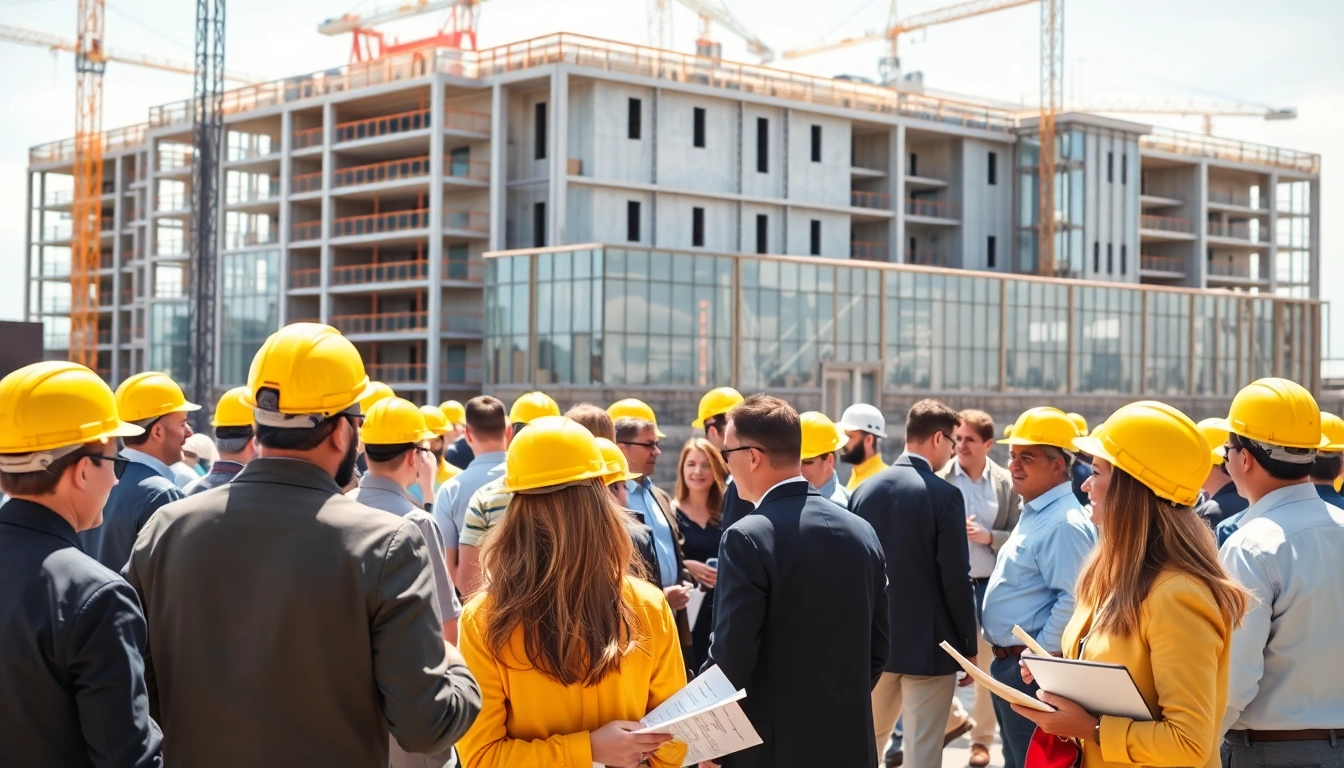
Understanding Construction Networking Events
What Are Construction Networking Events?
Construction networking events are organized gatherings where professionals in the construction industry come together to connect, share knowledge, and explore opportunities. They can take various forms, including conferences, trade shows, seminars, and informal meet-and-greets. The primary goal is to facilitate relationships among contractors, suppliers, architects, engineers, and other stakeholders, ultimately enhancing collaboration and driving business growth. These events serve as a platform for exchanging ideas, discussing innovations, and becoming more familiar with emerging trends affecting the construction sector. To broaden your network and learn from experts in the field, attending construction networking events is invaluable.
The Benefits of Attending Construction Networking Events
Attending construction networking events provides numerous benefits that can significantly enhance your career and business prospects. Here are some key advantages:
- Building Relationships: Networking events give you the chance to meet industry peers, potential clients, and collaborators, fostering meaningful professional relationships.
- Knowledge Sharing: These events often feature expert speakers who discuss industry trends, innovations, and regulatory changes, allowing attendees to stay informed and adapt accordingly.
- Lead Generation: Networking is a powerful tool for acquiring new leads. By effectively communicating your value proposition, you can attract potential clients and projects.
- Increased Visibility: Participation positions you as an engaged professional in the industry, enhancing your credibility and visibility among potential partners and clients.
- Learning Opportunities: Workshops and panel discussions can provide practical insights and tools that can be implemented in your projects or company operations.
Types of Construction Networking Events
Various types of construction networking events cater to specific interests and objectives within the industry:
- Trade Shows: These large events showcase the latest equipment, technology, and services in construction, offering networking opportunities with exhibitors and attendees.
- Conferences: Conferences often feature presentations from industry leaders, panel discussions, and opportunities to engage with speakers and experts.
- Workshops and Seminars: Smaller, focused events that provide hands-on learning experiences and targeted networking with attendees who share similar interests.
- Local Meetups: Informal gatherings that bring together local professionals to socialize and discuss industry-related topics in a relaxed environment.
- Online Networking Events: Virtual platforms have become increasingly popular, allowing professionals to connect remotely and participate in discussions regardless of geographical constraints.
How to Prepare for Construction Networking Events
Creating an Effective Elevator Pitch
Your elevator pitch is a crucial tool for making a good first impression at networking events. This brief introduction should succinctly convey who you are, what you do, and what value you bring to potential contacts. Aim to describe your business or role in 30 to 60 seconds, focusing on your most important qualifications and achievements. Tailor your pitch to resonate with the audience, addressing their needs and interests. Practicing in front of a mirror or with colleagues can help boost your confidence and refine your delivery.
Essential Materials to Bring
Preparation is vital for maximizing your experience at construction networking events. Here’s a checklist of essential materials to consider bringing:
- Business Cards: A professional business card is a must-have for sharing your contact information efficiently.
- Promotional Materials: Consider bringing brochures, flyers, or portfolios highlighting your services, achievements, or previous projects.
- Notepad and Pen: Jotting down important insights, contacts made, or follow-up points can help you remember key details after the event.
- Networking App: Utilize meeting apps to help connect with attendees, schedule appointments, and keep track of contacts.
- Comfortable Attire: Dress appropriately for the event to reflect professionalism while ensuring comfort.
Setting Networking Goals
Before attending any networking event, setting clear goals is critical for a successful experience. Consider the following aspects:
- Target Connections: Identify specific individuals or companies you wish to connect with and research their backgrounds.
- Desired Outcomes: Determine what you want to achieve, such as lead generation, collaborations, or knowledge exchange.
- Follow-up Plan: Establish a strategy for following up with new contacts, including timelines for sending emails or scheduling calls.
Strategies to Maximize Impact During Events
Engaging in Meaningful Conversations
Meaningful conversations are the backbone of effective networking. To engage successfully:
- Be Approachable: Smile, make eye contact, and use open body language to encourage interaction.
- Ask Open-Ended Questions: Prompt discussions by asking questions that encourage elaboration rather than simple yes/no answers.
- Listen Actively: Focus on listening rather than merely waiting for your turn to speak. This shows respect and genuine interest in the speaker’s insights.
Following Up with Connections
Following up with connections post-event is essential to transitioning from acquaintances to potential collaborators. Here’s how to do it effectively:
- Send a Personalized Email: Reference specific topics discussed during the event to remind them of your conversation and express interest in maintaining contact.
- Connect on LinkedIn: Utilize professional networks to stay connected. A personalized connection request can enhance your chances of acceptance.
- Schedule Follow-up Meetings: Propose specific times for coffee or virtual meetings to discuss collaboration opportunities further.
Utilizing Social Media for Networking
Social media platforms can significantly enhance your visibility and networking efforts. Consider strategies like:
- Sharing Event Insights: Post highlights from the event on your social media profiles to showcase your engagement and expertise.
- Engaging with Fellow Attendees: Tag new connections and engage in discussions that can deepen your relationships.
- Joining Relevant Groups: Participate in industry-specific groups on platforms like LinkedIn to share resources and knowledge with others.
Measuring Success After Construction Networking Events
Evaluating New Connections
Once the event concludes, assessing the quality of your new connections is crucial. Consider the following criteria:
- Relevance: Are these contacts closely aligned with your professional goals or interests?
- Potential for Collaboration: Evaluate whether they offer opportunities for partnerships, projects, or knowledge sharing.
- Engagement Level: How likely are these connections to respond to your follow-up outreach?
Tracking Leads and Opportunities
Keep track of potential leads and opportunities using organized methods, such as:
- SPREADSHEETS: Use spreadsheets to categorize and track details of connections, noting potential opportunities and follow-up actions.
- CRM SYSTEMS: Implement Customer Relationship Management (CRM) software to monitor interactions, set reminders, and manage connections systematically.
- Notes and Reflections: Document insights gained from conversations, which can be valuable for future interactions.
Assessing Event Effectiveness
Evaluate the overall effectiveness of the event by considering these points:
- Goal Attainment: Did you achieve your predefined networking goals? Reflect on how successfully those were met.
- Quality of Connections: Assess whether the new contacts hold potential for future business opportunities.
- Engagement Levels: Examine how actively both you and your connections engaged during the event.
Frequently Asked Questions About Construction Networking Events
How do I find construction networking events in my area?
Finding construction networking events can be done through online searches, local trade associations, industry groups, LinkedIn events, and community boards.
What should I wear to a construction networking event?
Opt for business casual attire that reflects professionalism while being comfortable. Safety gear may also be required for some industry-specific events.
Can I attend if I’m new to the construction industry?
Absolutely! Networking events are a great way to meet industry veterans, learn more, and gain insights into the construction industry as a newcomer.
How do I make a lasting impression?
Be genuine, listen actively, and engage in meaningful conversations. Share your unique insights and follow up to continue building the connection.
What types of professionals typically attend these events?
Construction networking events attract a diverse range of professionals, including contractors, builders, architects, engineers, and manufacturers.