
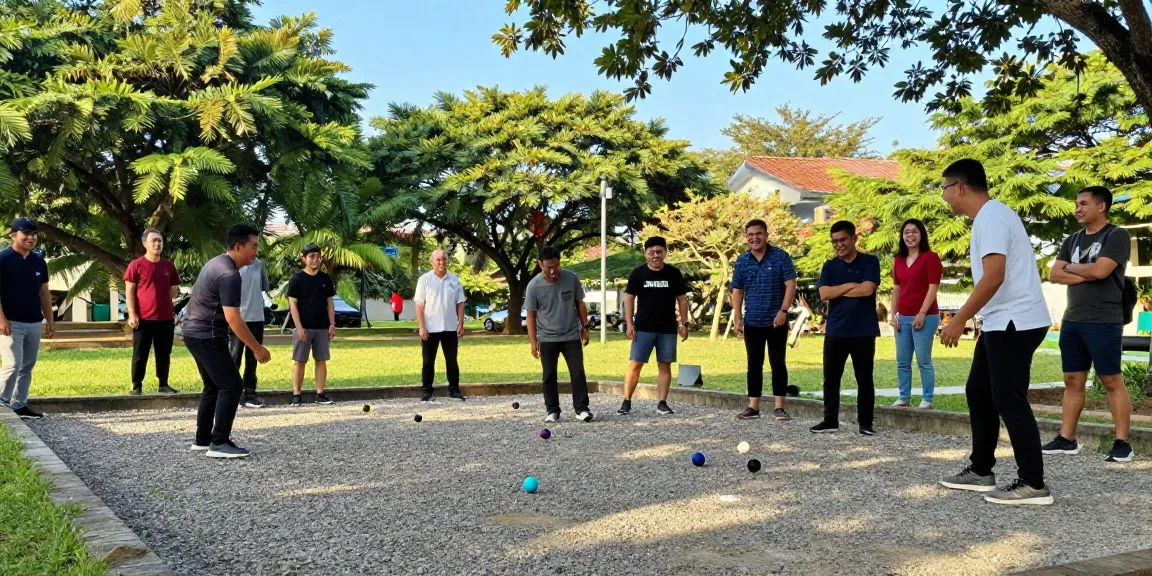
Introduction to Petanque in Makassar
Petanque, a traditional French game, has gained cultural significance and popularity in various parts of the world, including Indonesia. In Makassar, the capital of South Sulawesi, the game has not only become a recreational activity but also a competitive sport that fosters community spirit. As the sport continues to evolve in this vibrant city, organizations such as the Federasi Olahraga Petanque Indonesia (FOPI) Kota Makassar play a critical role in promoting and developing the sport. For those seeking to learn more about petanque and its associated activities, fopikotamakassar.org stands as a valuable resource.
History of Petanque in Indonesia
The origins of petanque in Indonesia remain somewhat obscure, with no precise documentation available detailing its introduction. However, it is widely believed that expatriates from France introduced the game in the late 20th century, primarily within expatriate communities. Locations such as Jakarta, Yogyakarta, Lombok, and Bali served as initial grounds where petanque was embraced, often in leisure settings linked to French-managed hotels. The introduction of petanque in educational institutions, particularly at the French consulate in Yogyakarta, further facilitated its acceptance and growth among locals and expatriates alike.
One notable figure in this narrative is Eddie Lim, a Singaporean who experienced the game in Ancol, Jakarta, during the 1990s. His subsequent efforts to introduce petanque in Singapore reflect its potential for cross-cultural exchange and community building. The significant turning point for petanque in Indonesia came in 2011 when the country hosted the SEA Games, formally recognizing petanque as a competitive sport.
FOPI’s Role in Promoting Petanque
FOPI Kota Makassar operates under the auspices of the FOPI Provincial Association of South Sulawesi and collaborates closely with the KONI Kota Makassar, the provincial sports authority. This collaboration aims to manage, develop, and promote the sport of petanque at both grassroots and competition levels. With a focus on finding and training athletes for national competitions, FOPI has been instrumental in organizing tournaments and events that help raise the profile of petanque in Makassar.
Since its establishment in 2011, FOPI has worked tirelessly to enhance community engagement through petanque, encouraging participation from diverse demographic groups. This inclusivity is vital for establishing a robust sporting culture in Makassar.
Benefits of Playing Petanque
Participating in petanque offers numerous advantages beyond the thrill of competition. Firstly, it enhances physical fitness through engaging in low-impact, strategic gameplay, making it suitable for individuals of all ages. Furthermore, petanque fosters social connections, as it is often played in teams, promoting teamwork and camaraderie among players. The sport also encourages mental agility, as players must strategize their throws and anticipate their opponents’ actions.
Additionally, petanque serves as an ideal way to enjoy the outdoors, bringing communities together in a family-friendly environment. As local clubs and organizations continue to promote petanque, the sport is likely to play an integral role in enhancing the quality of life in Makassar and beyond.
Understanding Petanque Rules and Techniques
Basic Rules of Petanque
Petanque is played with metal balls and a small target ball called the ‘cochonnet.’ The game typically requires two teams, which can comprise one to three players each. The objective is to toss or roll one’s balls as close to the cochonnet as possible, emitting a combination of skill and strategy. Players take turns throwing their balls until one team secures the best position near the target.
- Game Setup: A standard petanque court measures 15 by 4 meters, although it can be played in various outdoor settings.
- Scoring: Teams earn points by having balls closer to the cochonnet than the opposing team at the end of a round.
- Winning: The first team to reach 13 points wins the game.
Common Techniques for Beginners
For newcomers to petanque, mastering the fundamentals is essential. Players should focus on their stance, the grip on the ball, and the throw technique. Here are a few beginner tips:
- Stance: Maintain a stable and balanced stance to ensure a controlled throw.
- Grip: Hold the ball firmly, ensuring it is comfortable but not overly tight.
- Throwing: Aim for a smooth and fluid motion to enhance accuracy and distance.
Advanced Strategies for Competitive Players
For players seeking to elevate their game, developing advanced strategies is crucial. Competitive players often analyze their opponents’ techniques and adapt their play style accordingly. Key strategies include:
- Positioning: Always consider where to place your ball in relation to the cochonnet for maximum scoring potential.
- Defensive Play: Learn to disrupt your opponent’s strategy by targeting their balls.
- Practice: Regular practice can enhance precision and consistency in throws.
Organizing Petanque Events and Tournaments
Planning and Logistics for Petanque Tournaments
Successfully organizing petanque events requires meticulous planning and attention to logistics. Key aspects include:
- Location Selection: Choosing a suitable outdoor venue that can accommodate the necessary court dimensions and player numbers.
- Scheduling: Coordinating dates and times that maximize participation while avoiding conflicts with other local events.
- Equipment Provision: Ensuring all necessary equipment, including balls and cochonnet, is available and in good condition.
Collaboration with Local Organizations
Partnerships with local businesses, schools, and sports organizations can significantly boost the success of petanque tournaments. Collaboration can aid in resource sharing and garnering community support, particularly in sponsorship and promotion. Engaging well-known local figures can also attract participants and spectators alike.
Promoting Petanque in Your Community
Effective promotion of petanque involves outreach efforts such as workshops and demonstrations. Utilizing local media, social media platforms, and community events to showcase petanque helps attract a broader audience. Featuring testimonials from players and highlighting the sport’s benefits can also encourage more residents to try their hand at this enjoyable game.
Building a Community Around Petanque
Creating Inclusive Petanque Clubs
To cultivate a thriving petanque community, the establishment of inclusive clubs is essential. Clubs should welcome players of all skill levels, providing opportunities for newcomers to learn and experienced players to compete. Regularly scheduled practice sessions and social events can foster a sense of belonging among members, reinforcing community ties.
Engaging Youth and New Players
Engaging younger participants is crucial for the sport’s sustainability. Clubs may consider implementing youth programs that make learning fun and approachable, such as summer camps or school partnerships. Competitions designed specifically for young players can ignite interest and encourage ongoing participation.
Leveraging Social Media for Community Growth
In today’s digital age, social media platforms can be powerful tools for promoting petanque. Creating dedicated pages or groups for local clubs allows for effective communication, event promotion, and community building. Sharing photos and videos of matches or significant events can further amplify engagement and visibility.
The Future of Petanque in Makassar
Emerging Trends in Petanque
The future of petanque in Makassar looks promising as emerging trends indicate growth in participation and professionalization of the sport. Enhanced coaching programs, increased community engagement, and the use of technology for training and competitions are all paving the way for a robust petanque culture.
Influence of International Competitions
International competitions not only elevate the profile of petanque but also establish benchmarks for local players. Exposure to global playing styles and techniques broadens understanding and fosters skill development among local athletes. As Indonesia continues to participate in international events, the opportunities for local players to compete and excel on bigger stages will increase.
Looking Ahead to 2026: Goals and Aspirations
As we approach 2026, the emphasis will be on nurturing local talent and ensuring sustainability in petanque’s growth within Makassar. Strategic collaborations with educational institutions and increased investment in local facilities are necessary steps forward. By fostering a culture of inclusivity and competition, petanque in Makassar can look forward to a bright future that resonates with tradition while embracing contemporary sports dynamics.